
Choosing the right Pe Woven Bag supplier in 2026 requires more than comparing prices or glossy product photos. Global buyers need consistent fabric strength, accurate dimensions, reliable printing, and clear export documentation. A bag that looks strong in a sample may split during pallet handling, humid storage, or long-distance transport. Practical testing matters.
This guide examines leading suppliers through manufacturing experience, product quality, production capacity, and buyer support. It considers polypropylene grades, woven density, lamination, stitching quality, valve design, and customization options. Factory audits, sample approvals, test reports, and traceable quality records provide stronger evidence than marketing claims. Suppliers serving agriculture, chemicals, minerals, construction materials, and food-related packaging must also demonstrate suitable hygiene and safety controls.
No supplier is perfect.
Production delays can happen. Material prices can change. Even experienced factories may show inconsistent results between batches, especially during peak seasons. That reality makes communication and corrective-action procedures essential. Buyers should confirm minimum order quantities, lead times, inspection methods, packaging details, and applicable destination-market requirements before signing contracts. They should also request recent samples, not only archived photographs.
The following supplier overview is designed to support careful comparison. It highlights companies with credible manufacturing capabilities, responsive service, and documented quality practices. However, rankings should not replace independent verification. A successful purchase depends on matching each supplier’s strengths with the bag’s intended load, filling method, storage environment, and delivery route. Reliable decisions begin with evidence, not assumptions.
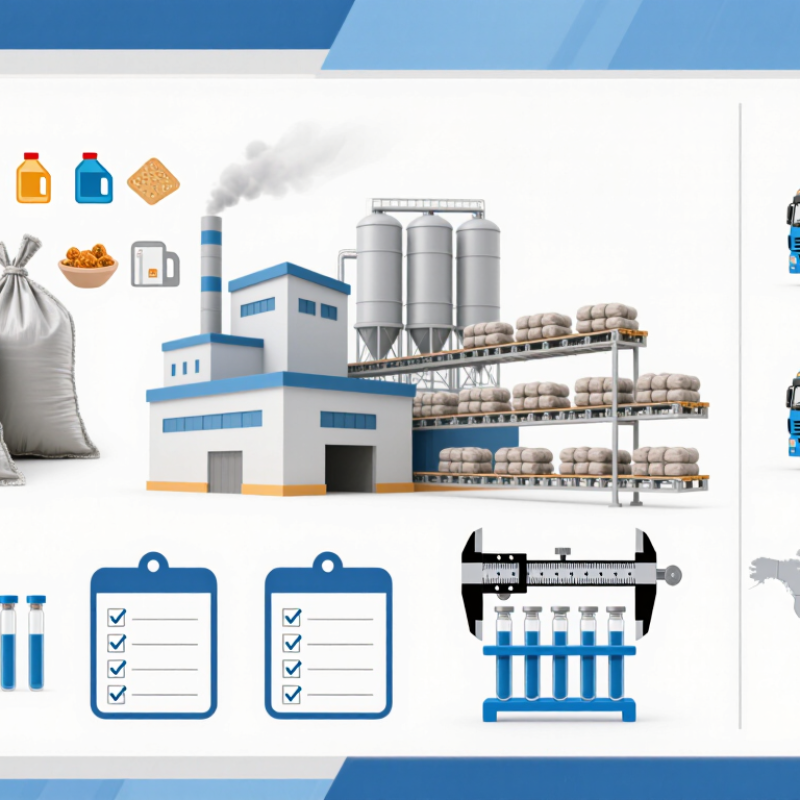
PE woven bags are flexible packaging products made from polyethylene tapes woven into a strong fabric. The weaving creates a firm structure while keeping the bag relatively light. Many models include laminated surfaces, stitched seams, or protective inner liners. These details affect performance.
Global buyers choose PE woven bags for practical reasons. They can carry agricultural goods, construction materials, minerals, and industrial powders. Their low weight can reduce transport costs. Their flat storage shape also saves warehouse space. Some designs resist moisture, sunlight, and rough handling during long-distance shipping. However, no bag performs well in every environment.
In real purchasing projects, I have found that specifications matter more than appearance. Buyers should check bag capacity, fabric density, seam strength, liner quality, printing durability, and pallet conditions. A supplier should provide samples and clear test information before large production. Ask how the bags behave after repeated lifting and exposure to humidity. Small weaknesses often appear there. A cheaper bag may become expensive after torn seams cause product loss. PE woven bags are also not a universal answer; sharp materials, extreme temperatures, or strict barrier needs may require a different structure. Reliable sourcing depends on honest testing, stable production records, and communication about the actual filling and transport conditions.
PE woven bags for global buyers should be judged by materials, construction, and verified performance. Virgin polyethylene usually offers more consistent strength and cleaner surfaces than heavily recycled resin. However, recycled content may suit lower-risk applications when quality is controlled. Ask for resin specifications, fabric weight, and batch traceability before placing a large order.
Construction details affect daily handling. Tightly woven tapes reduce tearing around sharp corners. Reinforced seams help prevent powder leakage during filling and transport. Lamination improves moisture resistance, but weak lamination can peel under heat or folding. Check the bag’s dimensions, opening style, valve design, and lifting loops against your actual packing line. A few millimeters can matter. Drop tests, tensile tests, seam-strength checks, and load-bearing tests should support the supplier’s claims. Buyers should also confirm whether testing follows relevant ISO or destination-market requirements.
Tips: Request production samples, not only showroom samples. Fill one with the intended product and test lifting, stacking, and unloading. Inspect fabric uniformity, seam tension, odor, and print adhesion. Keep independent inspection records for each shipment. No supplier is perfect. Even a strong specification can miss humidity, rough pallets, or repeated handling. That is why trial orders and corrective-action records remain valuable.
Key Materials, Construction Features, and Performance Standards
The chart presents practical, non-brand procurement benchmarks commonly used for PE woven bag specifications: fabric basis weight, PE coating weight, tensile strength, and UV-retention performance. Actual requirements vary by load type, filling method, storage conditions, and applicable standards such as ISO 21898, ASTM D5035, and ASTM G154.
Choosing a PE woven bag supplier requires more than comparing quoted prices. Check whether the supplier understands your product, filling process, storage conditions, and shipping route. Ask for recent samples with matching specifications. Inspect fabric thickness, weave density, seam strength, handle design, and printing clarity. A reliable supplier should provide test reports, material details, and clear production tolerances. Vague answers are warning signs.
Review the factory’s quality controls. Look for incoming material checks, in-process inspections, and final random testing. Request photos or videos from production, but do not treat them as complete proof. An on-site audit or independent inspection gives stronger evidence. Confirm monthly capacity, lead times, minimum order quantities, and packaging methods. Delivery promises can fail during busy seasons. Plan with a buffer.
Tips: Compare at least three qualified suppliers. Test samples under real conditions, including stacking, lifting, moisture exposure, and transport vibration. Keep written specifications and approved samples in the contract. Communication matters too. A supplier that reports a problem early may be safer than one offering the lowest price. No checklist is perfect. Recheck performance after each large shipment.
Choosing a PE woven bag supplier requires more than comparing prices. Production capacity should match your seasonal demand, not just a supplier’s maximum claim. Ask for monthly output, active production lines, material storage, and realistic lead times. A factory producing consistently is often safer than one promising urgent volumes. Request recent production records and inspect sample batches when possible.
Customization should cover bag size, fabric weight, lamination, printing, handles, valves, and inner liners. Experienced suppliers can recommend designs based on filling method, stacking height, moisture exposure, and transport distance.
Quality control should include raw material checks, fabric strength testing, seam inspections, weight tolerance, and drop tests. Certifications such as ISO 9001, food-contact approval, or destination-specific compliance must match the intended use. Verify certificate numbers with the issuing organization. A certificate alone does not prove daily consistency.
Tips: Request a pre-production sample, a written inspection standard, and photos from final packing. Confirm whether recycled content affects strength or certification status. Do not trust perfect samples alone. Production variation happens. A small pilot order may reveal printing alignment, weak seams, or unexpected delivery delays before a larger commitment. Suppliers should also explain corrective actions when results fall outside agreed limits.
Price should be compared by usable performance, not unit cost alone. Ask for fabric weight, bag dimensions, coating type, printing method, and load capacity. A detailed quotation should separate tooling, samples, packaging, inspection, and export charges. Very low prices can hide thinner fabric or inconsistent stitching. This is an uncomfortable risk.
Request samples from the same production line used for bulk orders. Check seam strength, moisture resistance, handle durability, and print alignment. For overseas shipping, compare container loading plans and estimated transit times. A supplier should explain whether bags ship folded, bundled, or palletized. This affects freight volume significantly. Confirm Incoterms, port responsibilities, insurance, and documentation before payment. Small wording differences can create large costs.
Compliance requires more than a certificate attached to an email. Verify test scope, issuing laboratory, production date, and product matching details. Requirements may differ for agricultural, construction, retail, or food-contact applications. Ask whether inks, coatings, and recycled content meet the destination market’s rules. Keep specifications in a signed purchase file. Support matters after production begins. Reliable suppliers provide pre-shipment photos, inspection cooperation, tracking updates, and a clear claim process. Response speed is useful, but documented action is better. Even strong suppliers make occasional mistakes, so buyers should retain samples and allow realistic inspection time.
CONTACT US
|
