2026 Top Shopping Tote Bag Trends for Global Buyers?
As we look forward to 2026, the landscape of Shopping Tote Bags is evolving rapidly. Buyers worldwide are seeking not only functionality but also style. A tote bag is no longer just a practical item; it has become a fashion statement. The future trends will reflect a blend of sustainability and innovation.
Materials play a crucial role in this transformation. Eco-friendly fabrics are gaining popularity. Consumers want bags that are both durable and kind to the planet. New designs will incorporate unique textures and vibrant colors. However, it’s important to note that style should never compromise utility.
Trends may shift, but one constant remains: shopping tote bags must meet diverse consumer needs. They should be versatile enough for grocery runs or beach days. As we explore these upcoming trends, we must reflect on what truly matters. Functionality, aesthetic appeal, and environmental responsibility all intertwine in the future of shopping tote bags.
Key Characteristics of Top Shopping Tote Bags for 2026
As we approach 2026, the shopping tote bag market is witnessing a significant evolution. Industry reports suggest that approximately 70% of consumers prioritize sustainability in their purchasing decisions. This trend is pushing manufacturers to explore eco-friendly materials. Biodegradable fabrics and recycled plastics are becoming prominent choices, aligning with the growing demand for environmentally responsible products.
Another key characteristic of top shopping tote bags is their functionality. Data indicates that around 65% of shoppers prefer bags with multiple compartments. These features cater to the need for organization and convenience. Additionally, innovative designs, such as collapsible or foldable options, allow for easy storage. Brands are also focusing on lightweight materials to enhance portability while ensuring durability.
However, not all tote bags meet these evolving needs. Some bags may lack sufficient strength or stylish designs. Consumers are becoming more discerning, showcasing a desire for both aesthetics and practicality. As the market matures, manufacturers must address these imperfections. By doing so, they can foster greater trust and reliability among buyers, ensuring their products stand out in a competitive landscape.
Popular Materials for Eco-Friendly Tote Bags in 2026
Eco-friendly tote bags are gaining immense popularity in 2026. Sustainable materials are at the forefront of this trend. Buyers are more conscious about the environment. They prefer bags made from organic cotton, recycled plastics, and biodegradable materials. Reusable shopping bags help reduce waste.
Tips for selecting the right material include checking for certifications. Look for organic certifications on cotton bags. For synthetic options, recycled content is crucial. Biodegradable materials should decompose naturally over time. These options are not only stylish but also responsible.
Incorporating these materials might seem daunting. Some designs compromise style for sustainability. Yet, many brands are merging both effectively. Explore local artisans who use innovative methods. Their unique designs often reflect local culture and eco-conscious practices. This approach not only supports sustainability but also local economies.
2026 Top Shopping Tote Bag Trends for Global Buyers
| Material | Sustainability Rating | Popularity Level | Estimated Price Range (USD) |
| Recycled Cotton | High | Very Popular | $10 - $20 |
| Bamboo Fiber | Medium | Growing Popularity | $15 - $30 |
| Hemp | Very High | Highly Popular | $20 - $35 |
| RPET (Recycled PET) | High | Very Popular | $12 - $25 |
| Organic Cotton | Very High | Extremely Popular | $15 - $28 |
Innovative Designs and Styles to Watch for in Tote Bags
The tote bag industry is evolving rapidly with innovative designs and styles catering to diverse consumer needs. According to a recent market report, the global tote bag market is projected to grow at a CAGR of 5.6% through 2026. Shoppers are increasingly interested in multifunctionality and sustainability, which drives new trends in this market.
Sustainable materials are gaining traction. Eco-friendly fabrics, such as organic cotton and recycled plastics, are becoming popular choices for modern designs. They often feature unique prints and patterns, making them not only practical but also stylish. A study indicates that 70% of consumers prefer bags made from sustainable materials. However, brands still struggle to balance eco-credentials with affordability, reflecting the complexity of consumer expectations in today’s market.
Stylish tote bags are not just for shopping anymore. They now double as fashion statements. Designers are experimenting with textures, colors, and forms to create bags that catch the eye. Bags with adjustable straps and convertible styles offer versatility but can sometimes compromise on durability. Brands will need to address this issue while innovating. The challenge remains: how to meet consumers’ demands for both aesthetics and practicality.
Color Trends and Patterns for Shopping Totes in 2026
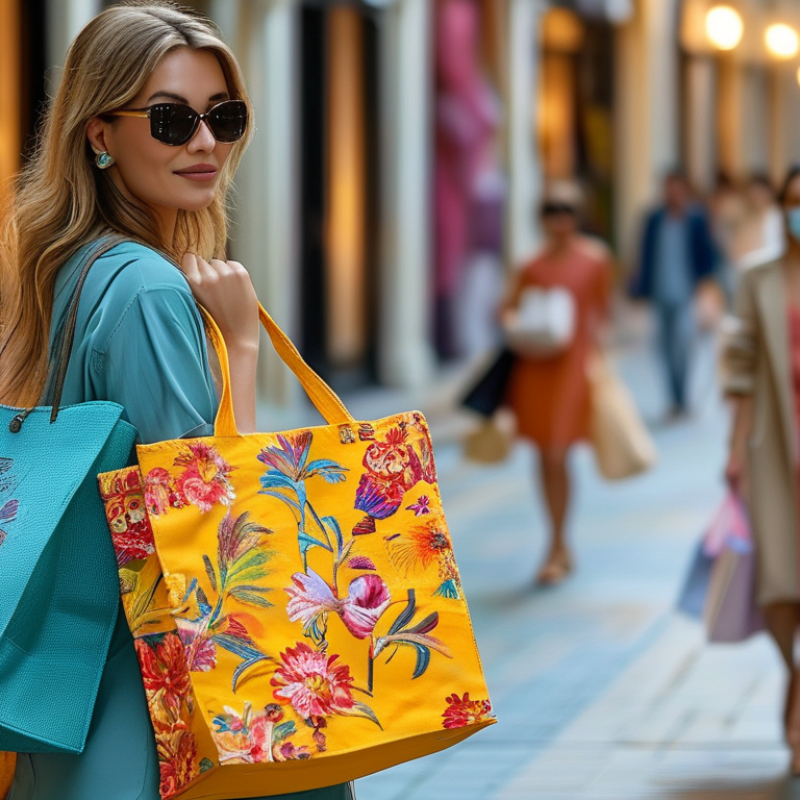
As we look ahead to 2026, shopping tote bags will showcase vibrant color trends and captivating patterns. According to the recent Market Research Future report, the global reusable bag market is set to grow by 10% annually. This growth reflects emerging consumer preferences for sustainable, stylish options. Earthy tones like terracotta, deep greens, and muted blues are predicted to dominate. These colors not only evoke a sense of nature but also align with sustainability goals. Bold patterns such as abstract designs and florals will also gain popularity, adding a personal touch to eco-friendly shopping.
Tips: When selecting a tote bag, consider fabric choice. Organic cotton and recycled materials are great options. They not only feel good but also reduce environmental impact.
Looking at consumer behavior, over 70% of shoppers prefer using tote bags for their eco-friendliness. However, not all tote designs fulfill functionality. Buyers should prioritize bags with reinforced handles and water-resistant fabrics for everyday use. Simple, minimalist designs can be versatile but ensure they suit your style. Remember, a tote is not just a bag; it's an expression of values.
Market Insights: Consumer Preferences for Tote Bags in 2026
As we approach 2026, consumer preferences for tote bags are evolving. Shoppers are opting for functional yet stylish options. Eco-friendly materials are gaining traction, reflecting a growing consciousness about sustainability. Many consumers prioritize bags that are not only fashionable but also durable. This shift highlights a blend of style and practicality.
Designs are becoming more personalized. Some prefer bright colors, while others lean towards minimalistic patterns. Tote bags now feature unique prints and customizable elements. This trend signifies a desire for individuality in everyday accessories. However, the challenge lies in balancing aesthetics with functionality. Not all designs are practical for daily use, leading to potential buyer disappointments.
Moreover, there's an emerging focus on local craftsmanship. Many consumers are showing interest in supporting local artisans. This not only fosters community but also ensures quality. Still, some buyers find it difficult to discern genuine local products from mass-produced items. This confusion can lead to hesitation and mistrust. Navigating these market preferences will be crucial for retailers in the upcoming years.