What is a 3D Anti-counterfeiting Label and How Does It Work?
In today’s market, the challenge of counterfeiting looms large. The emergence of the "3D Anti-counterfeiting Label" has offered a beacon of hope. Experts like Dr. Emily Roberts, a leading figure in security technology, emphasize its significance. She once stated, "The 3D Anti-counterfeiting Label is a game-changer for product authenticity." This innovation combines cutting-edge technology with eye-catching designs.
The 3D Anti-counterfeiting Label uses unique visual effects that change with viewing angles. This feature makes fakes difficult to replicate. Brands are increasingly turning to these labels to protect their products. They add a layer of security that is both visible and engaging. However, the implementation of these labels is not without challenges. Some manufacturers might struggle with integrating this technology into their existing lines.
Additionally, consumer awareness remains a hurdle. Not everyone knows how to recognize these labels. Education on their benefits is crucial. Without proper understanding, the potential of the 3D Anti-counterfeiting Label might be underutilized. Its complex technology can seem daunting. Yet, it represents a pivotal advancement in the fight against counterfeit products.
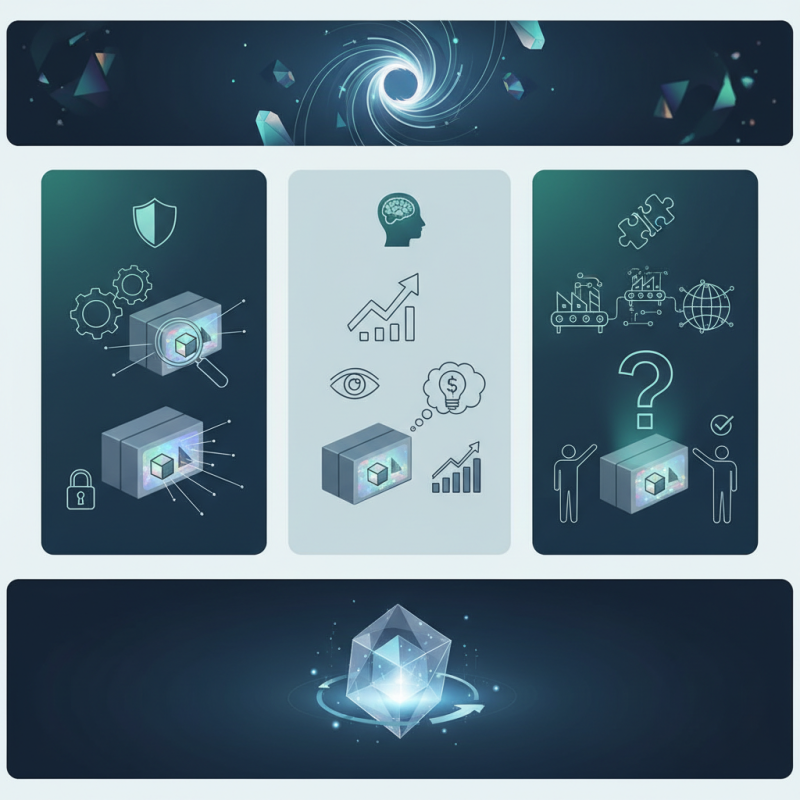
Understanding 3D Anti-counterfeiting Labels: Definition and Purpose
3D anti-counterfeiting labels are innovative solutions designed to protect products from forgery. These labels incorporate advanced holographic technologies to create unique identifiers that stand out. According to industry reports, over $1 trillion is lost annually due to counterfeit goods. This highlights the urgent need for effective anti-counterfeiting measures.
The purpose of 3D anti-counterfeiting labels extends beyond mere aesthetics. They serve as a visual verification tool for consumers and businesses alike. These labels can incorporate unique, trackable identifiers that enable real-time product verification. Reports indicate that 60% of consumers are more likely to trust a brand that employs visible anti-counterfeiting measures.
However, these technologies are not foolproof. Counterfeiters are constantly improving their methods, making it challenging for legitimate brands. Some businesses still underestimate the complexity of implementing these labels effectively. For every 3D label produced, there may be flaws in encoding or unintentional design overlaps. Continuous testing and innovation are necessary to stay ahead in this battle against counterfeiting.
The Technology Behind 3D Anti-counterfeiting Labels
3D anti-counterfeiting labels represent a significant advancement in the fight against counterfeit products. These labels use advanced optical features that change appearance when viewed from different angles. According to recent industry reports, about 10% of global trade is affected by counterfeiting. This statistic highlights the urgent need for effective anti-counterfeiting solutions.
The technology behind these labels often utilizes holographic and micro-printing techniques. These methods create unique patterns that are difficult to replicate. Data indicates that employing such technology can reduce counterfeiting by up to 90%. However, the implementation of 3D labels is not without challenges. For instance, costs can be higher than traditional labels. Smaller companies might struggle with these expenses.
Increasing consumer awareness is another issue. Many people are still unaware of how to identify genuine products using these labels. Education and information campaigns are necessary. Despite the promise of 3D anti-counterfeiting solutions, there remains a need for ongoing innovation. Advances must address both technical complexities and the need for user-friendly recognition methods.
How 3D Anti-counterfeiting Labels Function in Product Protection
3D anti-counterfeiting labels are innovative features in product protection. They use holographic technology to create distinct, three-dimensional effects. This design makes counterfeiting much harder for criminals. Each label is unique, often containing intricate details that are difficult to replicate. These features provide an effective security measure against fraud.
When a consumer inspects the label, they can see unique patterns and colors shifting with the angle of light. This visual complexity adds significant value to products. However, not all consumers know how to identify these labels. Education on recognizing such features is crucial. Without this awareness, consumers may overlook protection measures altogether.
The use of 3D anti-counterfeiting labels offers many advantages. They are not only visually appealing but also provide tangible security. Yet, manufacturers must ensure consistent quality. Any flaw in production renders the label ineffective. As technology advances, ongoing improvement in design and application methods remains essential for maintaining trust in these security features.
Applications of 3D Anti-counterfeiting Labels in Various Industries
3D anti-counterfeiting labels have unique applications across various industries. They use advanced holographic techniques that create a distinct visual effect. This makes it hard for counterfeiters to replicate. In the food and beverage sector, these labels enhance product integrity. They provide a guarantee of authenticity to consumers.
In the pharmaceutical industry, these labels are crucial. They protect against counterfeit drugs, which can endanger lives. A simple hologram can deter fraudsters considerably. Yet, the effectiveness of these labels relies heavily on public awareness. Many consumers may not recognize these features. Especially in regions with less education on product authenticity.
The fashion industry also benefits from 3D anti-counterfeiting labels. They add an aesthetic element while ensuring product verification. However, reliance on labels alone is not enough. Education on recognizing these labels is vital. Consumers need to learn what to look for. Misunderstanding can lead to mistrust. The labels must evolve to stay ahead of counterfeiters.
Applications of 3D Anti-counterfeiting Labels in Various Industries
Future Trends and Innovations in 3D Anti-counterfeiting Solutions
The future of 3D anti-counterfeiting solutions looks promising. As technology evolves, these labels become more sophisticated. They combine visual and tactile features. This makes them harder to replicate. Real-time verification is also on the rise. Smart devices can now scan these labels. This brings instant authentication to consumers.
Emerging innovations include holographic elements and color-changing materials. These features can react to changes in light or temperature. This creates a dynamic experience for users. However, challenges remain. The production cost of advanced labels can be high. Not every company can afford them. As a result, accessibility may limit widespread adoption.
New trends focus on integrating blockchain to enhance security. This technology can provide a transparent record of the supply chain. It helps ensure authenticity and traceability. But, it also raises questions about privacy and data security. As these solutions develop, the balance between innovation and protection will be crucial.
What is a 3D Anti-counterfeiting Label and How Does It Work?
| Feature | Description | Benefits | Future Trends |
| 3D Structure | Utilizes a three-dimensional design to create distinctive patterns. | Difficult to replicate, enhancing product authenticity. | Integration with smart technology, such as NFC for enhanced verification. |
| Optical Effects | Creates dynamic visual effects based on angles of view. | Attractive to consumers, increasing brand value. | Advanced holographic technologies improving visual security features. |
| Material Quality | Made with durable materials resistant to tampering. | Increases shelf life and reliability of labels. | Sustainable materials being prioritized for eco-conscious brands. |
| User Interaction | Encourages customer engagement through interactive elements. | Improves customer experience and trust in the brand. | Augmented reality features allowing consumers to scan and learn more. |
| Authentication Technology | Incorporates QR codes and barcodes for scanning. | Instant verification of product authenticity. | Blockchain technology for secure record keeping and verification. |