7 Best Kraft Paper Sheets for Global Buyers?
Kraft Paper Sheets can look deceptively similar on a supplier’s website. In practice, a sheet’s weight, sizing, surface, and fiber mix can change how it folds, prints, and protects goods. A sample that feels sturdy beside a desk may soften when exposed to damp air. Small differences matter.
The kraft pulping process is associated with Swedish chemist Carl F. Dahl, whose work shaped modern paper production. A useful sourcing principle inspired by his contribution is: “Judge paper by performance, not appearance.” This is an editorial summary, not a verified quotation from Dahl. That distinction matters. Buyers deserve clear evidence, not polished claims.
This guide compares seven Kraft Paper Sheets options for global buyers, focusing on practical details: basis weight, available dimensions, recycled content, surface consistency, and supplier documentation. We also consider how sheets behave during wrapping, cushioning, printing, and storage. A heavier sheet is not automatically the better choice. It may add cost and bulk where a lighter grade would work.
Look closely at the sample. Check its edges, texture, and response to a simple fold. Ask for specifications, test records, and a sample from the production grade—not just a showroom piece. Supplier data can vary in detail, and that is worth questioning. The comparisons ahead are intended to help buyers narrow choices, while leaving room for their own trials. Paper is still paper; no checklist replaces testing it in the job it must do.
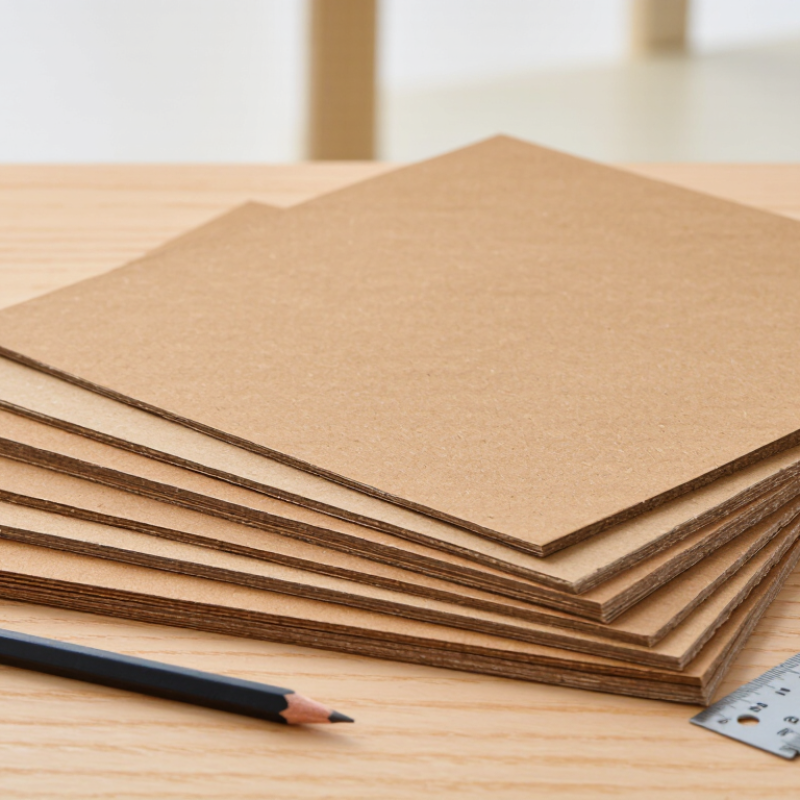
Understanding Kraft Paper Sheets and Their Core Properties
Kraft paper sheets are produced from wood pulp through a process that preserves many long fibers. Those fibers give the paper useful tensile strength and resistance to tearing. The familiar brown color often comes from unbleached pulp, though kraft sheets can also be lighter or treated for specific uses. They are not all alike. Basis weight, thickness, surface texture, and fiber direction can vary between sheets. That matters.
For packaging, a heavier sheet may hold its shape around a small object, while a lighter one folds more easily for wrapping. The surface is often slightly porous, which can affect ink coverage and print sharpness. Moisture is another consideration: untreated kraft paper can soften or warp when damp. It is not magic. Buyers should check sheet dimensions, weight, finish, and intended use rather than judging by color alone. A sample test is useful, especially when the paper must crease cleanly or run through printing equipment. I have found that descriptions can sound precise while leaving out practical details, such as how the sheet behaves after folding. That gap deserves attention.
Key Criteria for Comparing Kraft Paper Sheets
Compare kraft paper sheets by their intended use, not color alone. Brown shades can vary between batches, while thickness and surface texture affect printing, folding, and wrapping. Check the paper’s grammage, sheet dimensions, and dimensional tolerance against your equipment. Feel it dry. A sheet that feels sturdy may still tear easily along one direction. Ask for machine- and cross-direction strength data when the paper must carry weight or withstand repeated handling.
For packaging, test a few sheets with the actual product, tape, and folding method. For printing, check ink absorption and surface smoothness; highly absorbent paper may soften fine details. Review recycled-fiber content and moisture protection, especially when shipments travel through humid conditions. Check the edges. Uneven cuts can cause feeding problems, even when the paper itself is sound. A polished sample can still mislead: production batches may differ slightly, so request recent specifications and compare multiple sheets. Also confirm how sheets are packed for transit, since bent corners are a small detail until they disrupt a full production run. No single measurement tells the whole story. A practical comparison should reflect the buyer’s process, not just a supplier’s sample.
7 Kraft Paper Basis Weights to Compare
Commonly offered basis weights, shown in grams per square metre (g/m²). Availability varies by mill and market.
Buyer’s note: Basis weight helps compare paper thickness, but it does not determine strength on its own. Also check tensile or tear performance, moisture resistance, recycled content, and sheet dimensions for your intended use.
Seven Kraft Paper Sheet Types for Global Buyers
Seven Kraft Paper Sheet Types for Global Buyers
Kraft sheets differ in strength, surface, and resistance to moisture or grease. Unbleached virgin kraft is often selected for demanding wrapping and cushioning, while recycled kraft can suit everyday packing where a natural appearance matters. White kraft offers a cleaner surface for printing. Check that the shade and finish remain consistent across batches.
Machine-finished kraft has a relatively smooth surface for general printing and folding. Machine-glazed kraft has one smoother side, which can help when presentation matters. Wet-strength kraft is designed to retain more strength when damp, while grease-resistant kraft can help with oily products. Small details matter. Ask for samples before ordering, since “smooth” or “strong” can mean different things to different suppliers.
Compare grammage, sheet size, burst strength, and moisture performance against the actual job. For food-related use, request relevant product documentation rather than relying on a product name alone. A common buying mistake is choosing the heaviest sheet by default; extra weight can add cost without improving the result. I would also confirm packing method and edge protection, because bent corners can make otherwise suitable sheets difficult to use. The best choice depends on the product, handling conditions, and print requirements.
Matching Paper Grades to Packaging, Printing, and Craft Needs
Kraft paper is not one universal grade. For shipping sleeves, wraps, and cartons, buyers should match basis weight and strength to the load. Heavier sheets can resist tearing, but weight alone does not guarantee performance. Check burst or tensile data when available, and test a folded sample around the actual product. That small trial matters.
For printed bags, labels, and inserts, surface quality can matter as much as strength. Smoother kraft usually holds fine lines and small text more clearly. Rougher, unbleached sheets offer a natural look, though ink may appear less vivid. Ask for a printed sample using your intended ink and artwork. Results can vary between batches, so confirm tolerances rather than relying on a single swatch.
Craft projects often need lighter, easy-to-cut sheets, while protective packaging may need more stiffness or cushioning. Recycled grades can suit many uses, but shade, texture, and fiber consistency may vary. That is not always a defect; it may simply affect the finish you expect. Before ordering globally, compare sheet size, moisture condition, and stated specifications, then test a small lot. A paper that works beautifully for gift tags may disappoint in a heavy mailer. It happens.
Assessing Suppliers, Specifications, and International Shipping
For global buyers, “kraft paper” is not a complete specification. Compare basis weight in grams per square metre, sheet dimensions, moisture range, recycled or virgin fibre content, and test results for tensile and tear strength. Request a recent technical data sheet and a sample from the production lot. Small differences matter. A sheet that feels sturdy may still split during folding or lose strength in humid storage. The FAO’s Global Forest Products Facts and Figures 2022 reports about 401 million tonnes of paper and paperboard production worldwide that year, underscoring the scale—and variety—of supply.
Supplier checks should go beyond a low unit price. Ask about production capacity, inspection procedures, packaging, lead time, and how complaints are handled. For shipping, confirm whether quoted dimensions describe the paper or its packed bundle, then check pallet weight, container loading plan, and moisture protection. UNCTAD’s Review of Maritime Transport 2024 estimates seaborne trade reached 12.3 billion tonnes in 2023. Freight conditions can shift; a delivery estimate is not a guarantee. It is easy to overlook the cost of damaged corners or damp sheets until the shipment arrives.
Tips: Compare landed cost, not just paper price. Specify tolerances in writing, approve a pre-shipment sample, and use sealed inner wrapping with corner protection. Keep one sample from the approved batch. If a supplier cannot explain its test method clearly, pause before placing a large order.