How to Achieve Quality Packaging for Your Products?
Achieving Quality Packaging is essential for product success. It not only protects items but also influences consumer perception. In today's competitive market, packaging serves as a powerful marketing tool. Effective packaging tells a story about the brand and the product inside.
Many brands struggle with creating packaging that resonates with their audience. Common pitfalls include excessive material use and lack of clarity. A simple design can sometimes deliver a stronger message than a complex one. Quality Packaging requires thoughtful consideration. It should balance functionality with aesthetic appeal.
Reflecting on past choices can guide improvements. Have you ever received a product with damaged packaging? This experience underscores the importance of protection. Investing time and resources into Quality Packaging reflects a brand’s commitment to its customers. Today’s consumers value sustainability, so eco-friendly materials are now increasingly important. Quality Packaging can be a journey of trial and error. Embrace the imperfections and strive for better solutions.

Understanding the Importance of Quality Packaging for Products
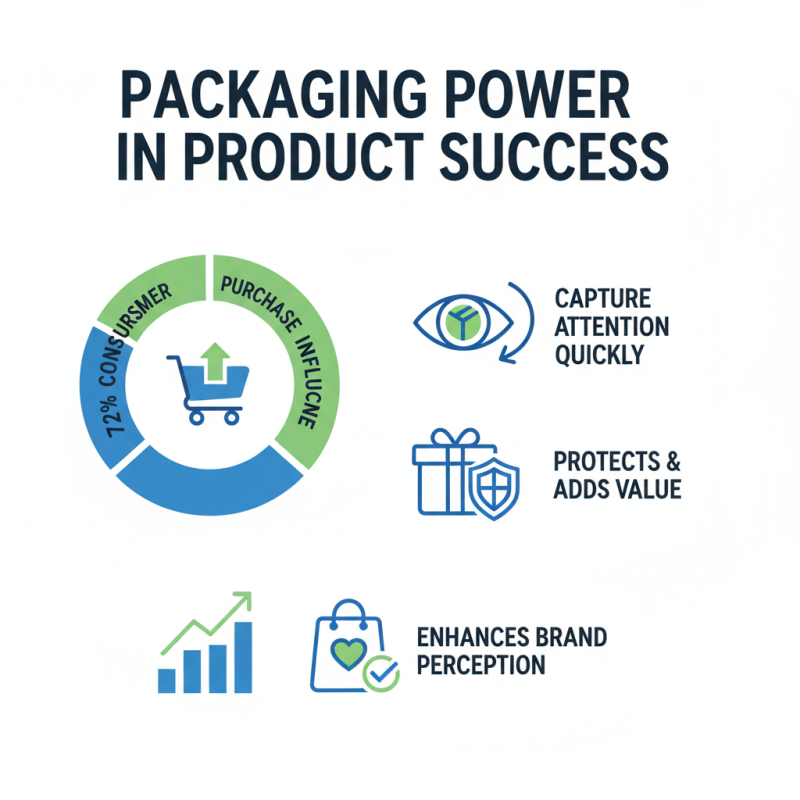
Quality packaging plays a crucial role in the success of products. Studies show that 72% of consumers believe packaging design influences their purchasing decisions. In a market where attention spans are short, attractive packaging can capture interest quickly. A well-designed package can communicate a product's value effectively. However, many businesses overlook this essential aspect. Strong packaging not only protects the product but also enhances brand perception.
Data from the Packaging Association reveals that 65% of consumers revisit a product based on packaging. Sustainable packaging is becoming increasingly important. An EcoFocus report indicates that 55% of consumers prefer environmentally friendly packaging. This shift provides companies with an opportunity to connect with eco-conscious buyers. Still, some businesses struggle to balance sustainability with functionality. Sometimes, they sacrifice one for the other, leading to packaging that fails to serve its basic purpose.
It's not just about aesthetics. Quality packaging ensures product safety and reduces damage during transport. According to a study, good packaging can reduce product returns by up to 30%. Yet, many brands may underestimate the costs associated with inadequate packaging. Investing in quality packaging can drive long-term benefits. Reflecting on these elements can help brands enhance their packaging strategies for better market performance.
Key Elements of Effective Packaging Design
Effective packaging design plays a crucial role in ensuring product quality and attracting consumers. One key element is material selection. The right materials protect the product while enhancing its appearance. Consider eco-friendly options. They appeal to environmentally conscious customers. However, sourcing these materials can be tricky and may increase costs.
Another important aspect is visual appeal. Colors, fonts, and graphics should resonate with your target audience. Make the design stand out but avoid clutter. An overloaded package can confuse potential buyers. Keep it simple yet captivating. Remember, a well-designed package tells a story about the product inside.
**Tips:** Test different designs with real users. Feedback is gold. Sometimes, what looks good on paper fails to attract attention in reality. Also, don't forget functionality. Packaging should be easy to open and use. A beautiful package that is difficult to handle frustrates customers. Reflect on these elements regularly to improve your designs.
Quality Packaging Elements Analysis
Materials Selection for Durable and Sustainable Packaging
Choosing the right materials is crucial for durable and sustainable packaging. Look for options that protect your products while also being eco-friendly.
Paperboard, for example, is recyclable and often made from sustainable sources.
Glass and metal can also be excellent choices. They protect well and are reusable. However, shipping weight can be an issue, which affects costs and sustainability.
Tips: Always check for certifications. Ensure materials come from responsibly managed sources.
100% biodegradable options exist, but they may not withstand harsh conditions. Test your packaging before full-scale production. Materials should be strong enough but also lightweight.
Consider the impact of your choices. Sometimes, cheaper options might lead to more waste. Reflect on the longevity of your packaging.
Will it stand the test of time? Ask yourself, how does this material affect the customer’s experience?
Look beyond aesthetics; function is vital too.
Testing and Quality Control Measures for Packaging
When it comes to packaging, testing is essential. The durability of materials can impact how products are perceived. It’s not just about looks; it’s about protection. Packaging can be the first thing a customer sees. If it’s damaged or poorly made, it sends the wrong message.
Quality control measures should be detailed. Conduct tests for impact resistance. Simulate shipping conditions to gauge performance. Use drop tests and compression tests to understand weaknesses. It's crucial to track failures. Analyze what went wrong. This reflection can lead to better decisions.
Also, consider user experience. Packaging should be functional. A beautiful box that’s hard to open frustrates consumers. Gather feedback from real users. Their insights can reveal hidden issues. Failing to engage customers in this process can lead to missed opportunities for improvement. Quality packaging is an ongoing journey, not a one-time effort.
Ensuring Compliance with Regulations and Standards in Packaging
Ensuring compliance with packaging regulations and standards is crucial for product quality. Many manufacturers overlook specific guidelines, leading to potential fines. Packaging materials must meet safety standards. This includes sustainable practices like using recyclable materials. Choose suppliers who adhere to these standards.
Regular audits can help identify gaps in compliance. Are all labeling requirements met? Is the product's shelf-life communicated clearly? These questions matter. Inadequate information can mislead consumers. Review your processes continually. Involving a compliance officer can be beneficial. Their expertise helps navigate complex regulations.
Sometimes, minor packaging flaws can arise. An overlooked detail on the label might lead to rework. Prioritizing compliance reduces risks and enhances product trust. Learn from mistakes and adapt your strategy. Compliance is not just about avoiding penalties; it’s about fostering transparency.