Top 10 Benefits of Flexible Packaging Film for Businesses?
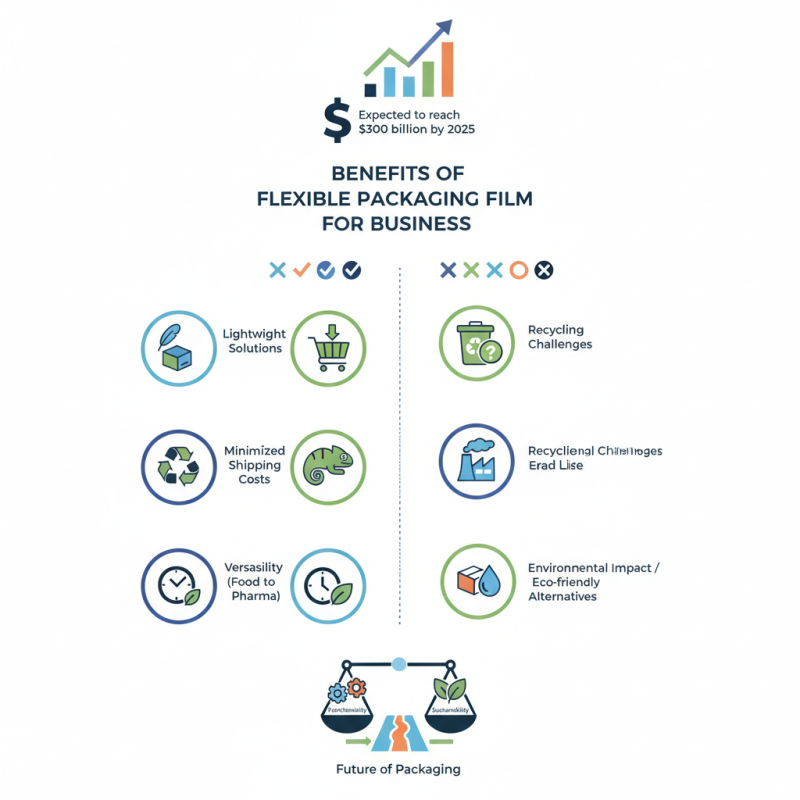
Flexible Packaging Film has transformed the packaging industry, providing numerous benefits for businesses. In recent years, the global flexible packaging market has seen substantial growth. Reports indicate that it is expected to reach $300 billion by 2025, driven by rising consumer demand for convenience and sustainability. This packaging method allows for lightweight solutions that minimize shipping costs and reduce waste.
One of the significant advantages of Flexible Packaging Film is its versatility. It can be tailored for various products, from food to pharmaceuticals. Moreover, it extends shelf life, significantly reducing food spoilage. Yet, companies must address challenges in recycling and environmental impact. While flexible films offer convenience, the industry faces pressure to develop eco-friendly alternatives.
As companies adopt Flexible Packaging Film, they must evaluate both advantages and drawbacks carefully. Making informed decisions is critical. The balance between functionality and sustainability will shape the future of packaging.
Overview of Flexible Packaging Film and Its Importance for Businesses
Flexible packaging film plays a crucial role in the modern business landscape. It combines convenience with functionality. This type of packaging is lightweight, reducing shipping costs. Additionally, it provides excellent barrier protection, keeping products fresh. Many industries benefit from its versatility. Food, pharmaceuticals, and consumer goods rely heavily on it.
The importance of flexible packaging is evident in its sustainability features. Many films are recyclable or made from eco-friendly materials. Companies are aware of their environmental footprint. They seek innovative solutions to meet consumer demand. However, the choice of materials can be overwhelming. Businesses must research suitable options. Balancing cost and quality is often a challenge.
Moreover, flexible packaging can enhance branding opportunities. Vibrant designs attract customers' attention. Yet, some businesses struggle with achieving the right visual impact. A flawed design can lead to confusion or dissatisfaction. Ensuring clarity in information is essential. Investing time in this aspect can lead to better customer engagement. Ultimately, the flexibility of this packaging type can drive a company forward.
Top 10 Benefits of Flexible Packaging Film for Businesses
| Benefit | Description | Impact on Business |
| Cost-Effective | Flexible packaging often costs less to produce compared to rigid alternatives. | Reduced production costs lead to increased profit margins. |
| Lightweight | Lower weight reduces shipping costs and environmental impact. | Enhanced sustainability and cost savings in logistics. |
| Versatility | Can be used for a wide range of products, from food to non-food items. | Broadens product offerings and market reach. |
| Customizability | Easily customizable in size, shape, and design. | Enhances branding opportunities and consumer appeal. |
| Barrier Properties | Provides excellent protection against moisture, air, and contaminants. | Increased shelf life and reduced product waste. |
| Sustainability | Many films can be recycled and are made from environmentally friendly materials. | Appeals to eco-conscious consumers and reduces carbon footprint. |
| Enhanced Safety | Minimizes risk of breakage and contamination. | Higher product safety and consumer trust. |
| Convenience | Lightweight and resealable options provide user-friendly packaging solutions. | Improves consumer experience and satisfaction. |
| Market Appeal | Visually appealing designs attract consumers on the shelf. | Increased sales through effective product presentation. |
Cost Savings: How Flexible Packaging Reduces Production and Material Expenses
Flexible packaging film offers significant cost savings for businesses. This innovative packaging solution often requires fewer materials, reducing both production and material expenses. According to a report from the Flexible Packaging Association, companies can save up to 25% in costs by switching from rigid to flexible packaging. The lightweight nature of flexible films also means lower shipping costs, as more products can fit into each shipment.
Many companies find that flexible packaging is not just economical but also efficient. The production process is often faster, leading to shorter turnaround times. This means businesses can respond more quickly to market demands. However, transitioning to flexible packaging is not without challenges. Companies must adapt their processes and ensure quality control. It's important to carefully choose the right materials that meet both durability and sustainability standards.
Tips: Always consider the long-term effects of packaging choices. Where can you cut costs without sacrificing quality? Seeking out suppliers who specialize in flexible packaging can provide valuable insights. Regularly reviewing packaging options may reveal further savings opportunities that have been overlooked.
Top 10 Benefits of Flexible Packaging Film for Businesses
Enhanced Product Freshness: The Role of Flexible Packaging in Shelf Life Extension
Flexible packaging film plays a critical role in maintaining product freshness. This type of packaging can significantly extend shelf life. It creates a barrier against moisture, oxygen, and contaminants. Products stored in flexible packaging often retain their flavor, color, and quality for longer periods. Think about perishable goods like fruits or processed meats. Their freshness can diminish quickly without proper packaging.
Flexible packaging is not only practical but also versatile. It can adapt to various shapes and sizes, shielding diverse products. However, not every flexible film resin provides the same level of protection. Some films may allow more air in, impacting freshness. It’s essential for businesses to choose the right material carefully. Testing different packaging options can be time-consuming, but it is necessary for optimal results.
While flexible packaging offers numerous benefits, companies should remain vigilant. Sustainability remains a concern in the industry. Finding the right balance between flexibility and eco-friendliness can be challenging. Innovations are necessary to enhance packaging sustainability without compromising product protection. As businesses adapt, learning from trial and error becomes key.
Sustainability Advantages: Eco-Friendly Aspects of Flexible Packaging Solutions
Flexible packaging film is gaining traction for its sustainability benefits. Many businesses appreciate its reduced material usage. This allows companies to lower their carbon footprint significantly. Lighter weight materials mean fewer greenhouse gas emissions during transportation. Besides, flexible packaging often uses less energy in production compared to traditional packaging. This is a significant step toward more eco-friendly operations.
Another eco-friendly aspect is recyclability. Companies are now exploring recyclable options in flexible packaging. This allows consumers to actively participate in sustainable practices. However, a challenge remains: not all flexible films are easily recyclable. Businesses must prioritize finding materials that fit recycling standards. Additionally, some flexible packaging solutions utilize biodegradable materials. This opens doors to reducing plastic waste. Yet, the effectiveness of biodegradability can vary. Many companies need to ensure these materials break down as intended.
Customization and Branding Opportunities with Flexible Packaging Film
Flexible packaging film provides unique opportunities for customization and branding. With a wide range of materials and structures, businesses can create packaging that aligns with their brand identity. According to recent industry reports, nearly 70% of consumers prefer packaging that reflects the brand’s image. This is a chance for businesses to stand out on crowded shelves.
Moreover, flexible packaging allows for vibrant graphics and intricate designs. Brands can utilize advanced printing technologies to achieve stunning visuals. Industry data indicates that packaging graphics can influence purchasing decisions significantly. In fact, about 63% of consumers say that colorful packaging catches their eye. This visual appeal can increase customer engagement, but it also poses a challenge. Not every design effectively communicates the brand message. Brands must carefully consider their choices.
Another dimension is sustainability. Many businesses are under pressure to improve their environmental impact. While flexible packaging can reduce waste, it can also complicate recycling processes. Not all flexible films are biodegradable or recyclable. Balancing eco-friendliness while maintaining brand integrity can be difficult. Thus, companies must explore materials that support their branding goals and environmental commitments.