Top 10 Benefits of Pet Packaging for Your Business
In today's competitive market, choosing the right packaging can significantly impact a business. Pet packaging stands out as an innovative choice. It combines sustainability with practicality, appealing to a growing eco-conscious consumer base. This trend is changing how products are presented and protected.
Pet packaging is not only lightweight but also durable. It offers excellent clarity, making products visually appealing on shelves. However, businesses must consider the potential costs associated with this material. While it can enhance brand visibility, the investment may not always yield immediate returns.
Moreover, the environmental benefits of pet packaging cannot be overlooked. It is fully recyclable and reduces waste in landfills. Still, companies need to ensure proper recycling practices are in place. This is an area where many fall short. Overall, while pet packaging presents numerous advantages, careful considerations are essential for maximizing its effectiveness.
The Rise of Pet Packaging: Market Trends and Consumer Preferences
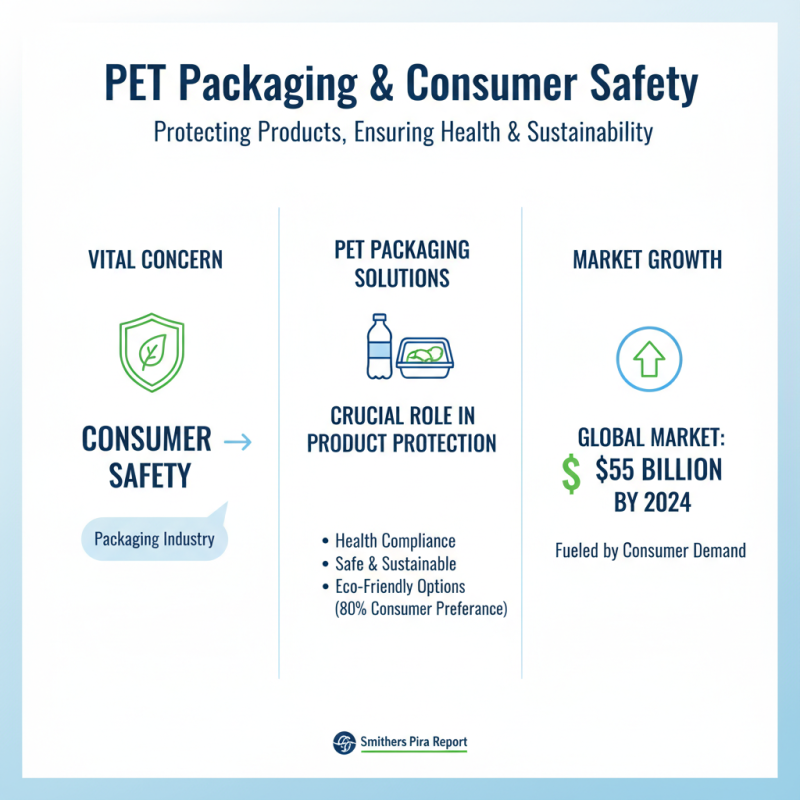
The growth of PET packaging is remarkable. The global market for PET packaging is projected to reach over $78 billion by 2025. This rise is driven by the demand for lightweight, durable, and easily recyclable materials. Consumers are increasingly opting for packaging that reduces their carbon footprint. In fact, a recent survey found that 66% of consumers prefer products in recyclable packaging.
Additionally, brands are noticing a shift in consumer preferences. A report indicated that 70% of customers are willing to pay more for sustainable packaging. This acceptance opens doors for companies to innovate. The challenge lies in balancing cost with sustainable practices. Many businesses are still hesitant about adopting eco-friendly materials. The upfront investment can be daunting. However, the long-term benefits, such as building brand loyalty and attracting eco-conscious consumers, are significant.
Despite the evident advantages, not all PET packaging solutions are perfect. Issues like recycling infrastructure and contamination can hinder effectiveness. Approximately 30% of PET produced is never recycled. Identifying these shortcomings can aid businesses in making informed decisions. Understanding these market trends is essential for companies aiming to align with consumer expectations.
Top 10 Benefits of Pet Packaging for Your Business
Environmental Sustainability in Pet Packaging: Key Statistics and Benefits
Pet packaging is becoming a game changer in environmental sustainability. Many companies now prioritize eco-friendly materials. This shift not only aids the planet but also resonates with consumers. Today, consumers are more aware of their environmental impact. They prefer brands that align with their values, especially regarding packaging.
The statistics are striking. Over 70% of consumers consider sustainable packaging essential. Brands utilizing PET packaging often see an increase in customer loyalty. It's a win-win situation for companies and the environment. However, while adopting PET packaging is beneficial, it can lead to confusion regarding recycling processes.
Tips for incorporating PET packaging:
- Focus on educating your consumers.
- Clear labeling can help demystify recycling.
- Using recycled PET can further enhance sustainability.
- Share the story of your materials. Transparency builds trust.
- Remember, every small change counts when building a sustainable future.
Cost Efficiency of Pet Packaging: How It Affects Your Bottom Line
Cost efficiency is a crucial factor for businesses, especially in packaging decisions. PET packaging stands out due to its affordability. According to industry reports, PET can save companies up to 30% in packaging costs over alternatives like glass or metal. This reduction in material expenses directly improves your bottom line. The lightweight nature of PET also decreases shipping costs, making it a double win for your budget.
Tips: Focus on suppliers who provide bulk purchasing options. It maximizes your savings and minimizes waste. Explore recycling options, as using recycled PET can further lower production costs.
Another advantage lies in the durability of PET. It resists breakage better than other materials. This resistance means less product loss during transport and storage. Additionally, PET's clarity helps in appealing packaging. This attraction can boost sales without additional marketing costs.
Tips: Regularly review your packaging design. See if upgrades can enhance visibility and performance. Small changes might yield big returns.
Top 10 Benefits of Pet Packaging for Your Business - Cost Efficiency of Pet Packaging: How It Affects Your Bottom Line
| Benefit |
Description |
Cost Impact |
| Lightweight |
Reduces shipping costs due to lower weight |
Decreases transportation expenses by up to 20% |
| Durability |
Resistant to breakage and damage |
Reduces costs associated with product returns |
| Recyclability |
Environmentally friendly option |
Potential tax benefits for sustainable practices |
| Versatility |
Can be used for various types of products |
Reduces need for multiple packaging types |
| Innovative Design |
Attractive branding opportunities |
Increases sales through improved shelf appeal |
| Cost-Effective Production |
Lower production costs compared to glass |
Saves on manufacturing expenses |
| Food Safety |
Meets FDA regulations for food contact |
Avoids fines from non-compliance |
| Consumer Convenience |
Easy to open and reseal |
Boosts customer satisfaction and repeat sales |
| Energy Efficiency |
Lower energy consumption in production |
Reduces overall operating costs |
| Market Demand |
Increasing customer preference for sustainable options |
Potential for increased market share |
Branding Opportunities with Pet Packaging: Enhancing Visibility and Appeal
Pet packaging offers numerous branding opportunities. It enhances product visibility and appeal. With a colorful and unique design, packages catch the eye. This can attract new customers who may otherwise overlook your product. A well-designed pet package can tell your brand story effectively. Effective branding makes a lasting impression.
Tips for creating appealing pet packaging: Focus on vibrant colors and engaging graphics. A catchy label draws attention. Use sustainable materials to resonate with eco-conscious consumers. This shows your brand's commitment to the environment. However, it’s easy to overlook packaging details. Make sure to get it right.
Consistency is crucial. Your packaging should align with your brand identity. If it doesn’t, customers may feel confused. This inconsistency can hurt brand loyalty. Regularly review and update your design to stay relevant. Monitor market trends and consumer preferences. Always strive for improvement.