How to Choose the Best PU Foam Lamination Machine?
Choosing a PU foam lamination machine can significantly impact your production quality. The right machine simplifies the lamination process, improving efficiency and output. However, numerous options complicate the decision. Each machine has distinct features, and these can influence your final product.
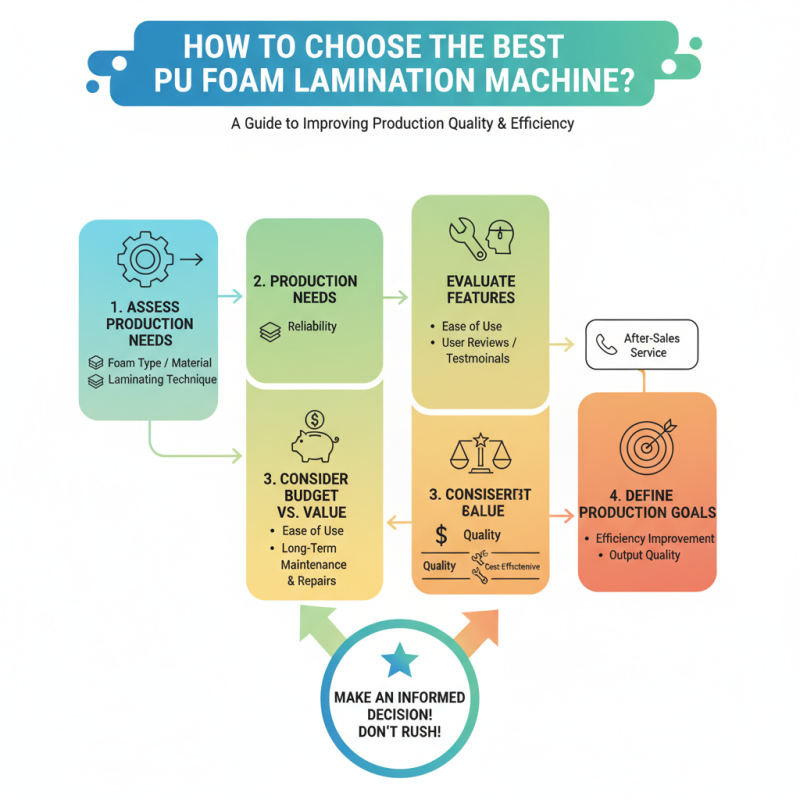
Consider the specific needs of your production line. Various machines cater to different foam types and laminating techniques. Look for reliability and ease of use. Check user reviews and testimonies for insights into efficiency. Often, buyers overlook the importance of after-sales service. This can affect long-term usage and maintenance.
Budget is crucial, yet it shouldn’t be the only consideration. Sometimes, cheaper machines may lead to higher costs due to repairs. Reflect on your production goals. This will guide you to the best PU foam lamination machine that meets both quality and operational demands. Don't rush; a hasty choice might lead to regrets later on.
Understanding PU Foam Lamination and Its Applications
PU foam lamination plays a crucial role in various industries. It is widely used in furniture, automotive, and packaging applications. The process involves bonding polyurethane foam with different materials for durability and comfort. This layering enhances product quality, making it a popular choice in many sectors.
When selecting a PU foam lamination machine, consider its efficiency and adaptability. These machines must handle different foam types and thicknesses. It's essential to analyze the production volume and the specific materials involved. Some machines offer advanced features, but they may not always be necessary for smaller operations.
**Tips**: Always evaluate the maintenance requirements. Sometimes, complex machines can lead to longer downtime. Keep operator training in mind; inexperienced staff may struggle with advanced settings. Simplifying operations can improve overall productivity. Always gather feedback from end-users to understand practical needs and discover areas for improvement.
Key Features to Consider in PU Foam Lamination Machines
When selecting a PU foam lamination machine, key features play a crucial role. One important aspect is the machine's efficiency. Look for models that offer high-speed lamination. Faster machines save time and increase output. However, ensure that speed does not compromise the quality of lamination. A machine that sacrifices quality for speed may lead to more waste.
Another feature to consider is the ease of operation. The best machines often have user-friendly interfaces. Simple controls can reduce training time for staff. This can improve production efficiency. Yet, a complex system might offer more features but could confuse operators. Balance is essential.
Additionally, maintenance requirements are vital. Machines with easier maintenance schedules save costs in the long run. Regular upkeep ensures longevity and consistent performance. Be cautious, though; some models might require specific parts that are hard to find. Always check service availability before deciding.
Evaluating the Performance and Efficiency of Machines
When evaluating the performance and efficiency of PU foam lamination machines, several key factors come into play. Speed is crucial. Many machines operate at rates of 10 to 20 meters per minute, affecting output capacity. According to industry data, a 30% increase in speed can double production without doubling labor costs. This can be a significant advantage for manufacturers aiming to meet high demand.
Energy consumption is also a vital consideration. Some machines consume up to 20 kWh for an eight-hour shift. With rising energy prices, performance metrics must include energy efficiency ratings. A report from the Foam Manufacturers Association indicates that machines with improved insulation can reduce energy use by 15%. This represents not only savings but also a commitment to sustainability.
It’s essential to assess maintenance needs. Some high-efficiency machines require less frequent servicing, which can lead to cost benefits. However, others might demand specialized parts that can lead to downtime. Consider the balance between efficiency and ease of repair. Investing in machines that prioritize both can translate into long-term profitability, yet finding this balance can be challenging.
Performance Comparison of PU Foam Lamination Machines
This chart compares the performance and efficiency of various PU foam lamination machines based on their production speed (in meters per minute) and energy consumption (in kilowatts). It helps in evaluating which machine offers the best efficiency for production needs.
Comparing Different Brands and Models in the Market
Choosing the right PU foam lamination machine involves understanding the market landscape. Various brands and models offer distinct features and capabilities, making the comparison essential. According to industry reports, the demand for high-quality lamination machines increased by 20% last year. This growth emphasizes the need for precision and efficiency in production.
When selecting a machine, consider the technology used. Some machines utilize advanced heat and pressure systems, enhancing the lamination process. Look for models with user-friendly controls. A machine that requires extensive training may slow down operations. Data suggests that 30% of users faced initial difficulties due to complex interfaces.
Tip: Research models with reliable after-sales support. This can significantly affect your production uptime. Engage online forums or user groups to gather insights about specific machines.
Evaluate the machine’s build quality. Cheaper models may save costs but often compromise longevity. Investing in a sturdy machine leads to long-term benefits. Industry statistics reveal that robust machines have a 25% higher performance rate.
Tip: Always analyze customer reviews for real-world feedback. They often highlight issues not covered in marketing materials. Remember, your choice reflects not just on productivity but also on your brand image.
Assessing Budget and Cost Considerations for Your Purchase
When considering a PU foam lamination machine, budget is crucial. Machines vary widely in price and features. You’ll need to set a clear budget. Think about how much you can afford and what you really need. A lower-priced model may lack essential features, leading to higher long-term costs.
Assess the cost of operation as well. This includes maintenance, energy consumption, and warranty coverage. Sometimes a cheap machine may cost more to run. Unexpected repairs can eat into profits. Be realistic about these factors. Take time to compare different machines based on these costs.
Consider financing options if upfront costs are too high. Some companies offer installment plans. This could make a more expensive machine more accessible. However, always read the fine print. Hidden fees can turn a good deal into a bad one. Don’t rush; take your time to evaluate. Balancing price with quality can be a challenge, but it is essential for success.