How to Choose Food-Grade Packaging for Your Products?
Choosing the right Food-Grade Packaging is essential for any food product. According to Emily Cross, a leading expert in sustainable packaging, “The integrity of food is directly linked to its packaging.” This highlights the importance of selecting materials that are safe and effective.
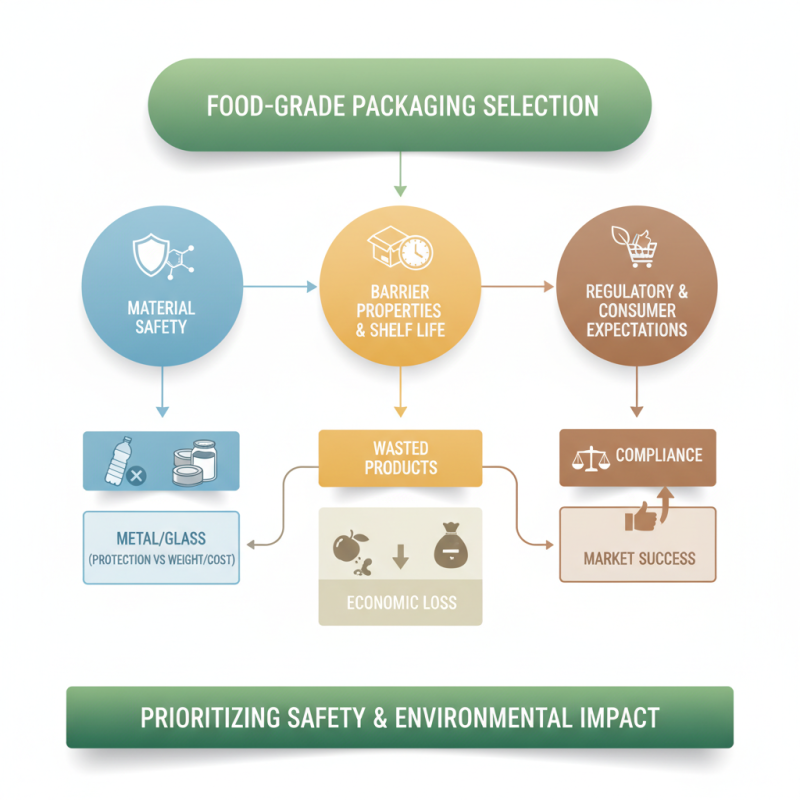
When considering Food-Grade Packaging, factors such as material safety, barrier properties, and shelf life must be evaluated. For example, plastics may offer convenience but may leach harmful chemicals. Metal and glass might provide better protection, yet they are heavier and more costly. It’s a balancing act.
Many businesses overlook the long-term implications of packaging choices. This can lead to wasted products and economic loss. Food-Grade Packaging should align with both regulatory standards and consumer expectations. Companies must ask: Are we prioritizing safety and environmental impact? Understanding these aspects can greatly influence the market success of food products.
Factors to Consider When Selecting Food-Grade Packaging Materials
Choosing the right food-grade packaging is crucial for preserving product quality. Several factors play a significant role in this decision-making process. Consider the material type, as it directly impacts food safety. Popular options include glass, plastic, and cardboard. Each material has its pros and cons. For example, glass is recyclable and non-permeable, but it's heavier and can break easily.
Another important factor is barrier properties. Packaging must keep out moisture, oxygen, and contaminants. This is vital for maintaining freshness. Different foods require different barrier levels. Think about temperature sensitivity too. Some materials withstand extremes better than others. Using a standard material may not suit all products.
You need to evaluate the environmental impact as well. Eco-friendly materials are becoming more sought after. However, cost and durability are also crucial considerations. Balancing sustainability with functionality can be tricky. Reflect on your priorities. What works for one product may not work for another. Be open to experimenting.
Understanding Regulatory Standards for Food-Grade Packaging Compliance
Selecting food-grade packaging isn't just about looks. It’s crucial to understand the regulatory standards governing food safety. In many regions, various agencies enforce strict guidelines for materials in contact with food. These standards often encompass safety tests and material composition. For instance, certain plastics must be free from harmful chemicals.
Compliance can be tricky. Not all suppliers provide clear documentation. It’s imperative to request the relevant certifications. Some materials claim to be food-safe but may still pose risks. Common issues involve leaching substances that could jeopardize food safety. Knowing which safety tests to look for can be vital.
Keep an eye on market trends. Innovations are frequent, and materials deemed safe today may change. Sustainable options gain traction, but they’re not always compliant. Businesses must balance eco-friendliness with regulatory adherence. A wrong choice can lead to recalls or consumer distrust. It's a continuous learning process to ensure that packaging meets all standards while also appealing to customers.
The Role of Packaging in Preserving Food Quality and Safety
Choosing the right food-grade packaging is crucial for preserving food quality and safety. Studies show that poor packaging can lead to spoilage. For instance, about 30% of food gets wasted due to inadequate packaging. This means that selecting the right materials can significantly impact shelf life and reduce waste.
Packaging acts as a barrier against external factors. It protects against moisture, light, and air. These elements can degrade food quality. A report from the Food Packaging Association highlights that proper packaging can extend freshness by up to 50%. Moreover, using biodegradable materials is becoming essential. Many consumers prefer eco-friendly options. It is a reflection of their values.
**Tip:** Always test your packaging with real products. Monitor how they react to various conditions.
**Tip:** Keep an eye on emerging trends in food packaging. Innovations can help improve safety and sustainability.
Despite advancements, some challenges remain. Not all packaging is compatible with every food item. Some materials might interact negatively, causing off-flavors or spoilage. Selecting the right combination requires careful consideration.
Environmental Impact: Choosing Sustainable Food-Grade Packaging Solutions
Choosing sustainable food-grade packaging is vital for environmental health. With increasing pollution, selecting eco-friendly solutions is more important than ever. Many materials are available, but not all are suitable for food. Focus on biodegradable or recyclable options. These materials reduce waste and lower your carbon footprint.
Tip: Consider compostable materials. They break down naturally and enrich the soil. This choice can appeal to environmentally conscious consumers.
It’s essential to evaluate the entire lifecycle of your packaging. What happens after use? Will it end up in a landfill? Think about recycling programs in your area. Engaging with local recycling can make a difference. Yet, many consumers are unsure how to recycle certain materials. This uncertainty needs addressing.
Tip: Educate your customers. Effective communication about packaging disposal promotes responsible consumer behavior. Providing clear instructions on recycling can lead to a more sustainable future. Your efforts today can contribute to a healthier planet.
How to Choose Food-Grade Packaging for Your Products? - Environmental Impact: Choosing Sustainable Food-Grade Packaging Solutions
| Material Type | Recyclability | Biodegradability | Carbon Footprint (kg CO2e per kg) | Potential for Reuse |
| Glass | Yes | Yes | 0.5 | High |
| Plastic (PET) | Yes | No | 2.5 | Moderate |
| Cardboard | Yes | Yes | 1.0 | High |
| Bioplastics | Yes (depends on type) | Yes | 1.5 | Moderate |
| Compostable Films | No | Yes | 1.2 | Low |
Cost Analysis: Balancing Quality and Affordability in Food Packaging Choices
When selecting food-grade packaging, cost analysis is crucial. Balancing quality with affordability can be challenging. The right packaging protects food from contamination and maintains freshness. High-quality materials are vital, yet they come at a premium. This raises the question: how can businesses manage costs without sacrificing safety?
Exploring various packaging options is essential. Consider materials like flexible pouches, glass jars, or biodegradable wraps. Each has unique benefits and drawbacks. Some may offer better protection but can be more expensive. Others might be cheaper, but risk compromising product quality. Evaluating suppliers is also necessary. Not all manufacturers provide the same standards.
Additionally, it's important to reflect on long-term costs. Cheaper packaging may lead to more waste or spoilage. This could impact customer trust and brand reputation. Factoring in sustainability is becoming more important too. Investing in quality today may save money and enhance brand loyalty over time.