Top 10 Food Packaging Tips to Keep Your Food Fresh and Safe
In today’s fast-paced world, ensuring the freshness and safety of our food is more important than ever. Proper Food Packaging plays a crucial role in extending the shelf life of perishable items, preventing spoilage, and reducing food waste. As consumers, we often overlook the significant impact that effective packaging can have on our daily lives. By understanding the essentials of food packaging, we can make informed choices that enhance not only the quality of our meals but also our overall health.
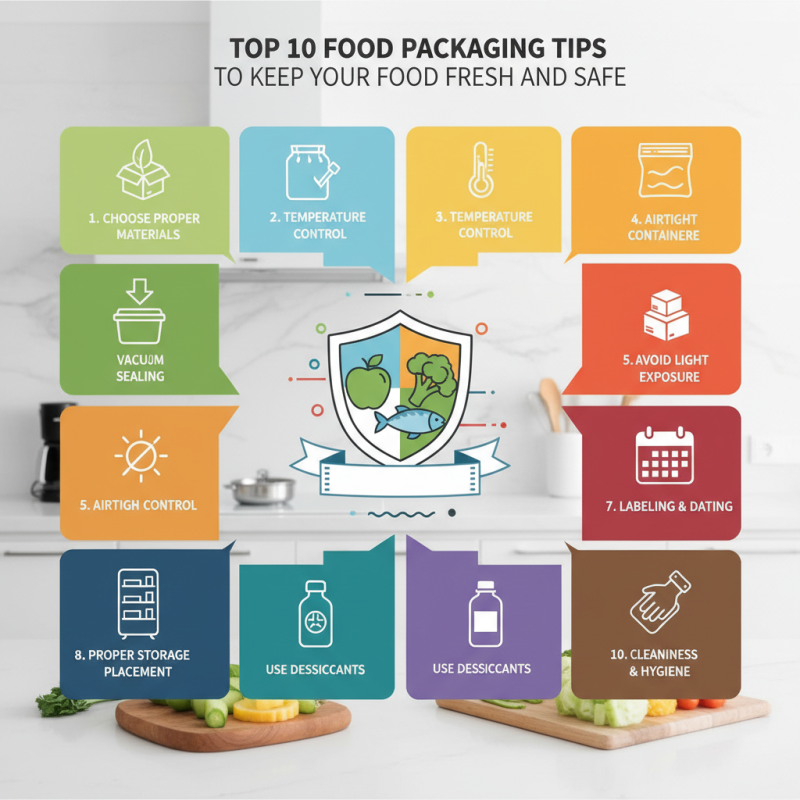
From selecting the right materials to utilizing appropriate storage techniques, mastering the art of food packaging can dramatically improve our kitchen efficiency. This guide will delve into the top 10 food packaging tips that will empower you to safeguard your groceries better. Whether you’re a home cook, a meal preparation enthusiast, or someone seeking to minimize food waste, these insights will offer practical solutions for keeping your food fresh and safe. Embrace these strategies to transform your approach to food packaging, ensuring that every bite is as delicious and nutritious as intended.
Essential Factors to Consider When Choosing Food Packaging Materials
When it comes to food packaging, choosing the right materials is essential for maintaining freshness and ensuring safety. Industry studies suggest that approximately 60% of food spoilage can be attributed to inadequate packaging. As consumers increasingly prioritize sustainable practices, utilizing eco-friendly materials not only appeals to environmental consciousness but also affects the shelf-life of products. According to a report from the Food Packaging Association, biodegradable options can significantly minimize spoilage rates, as they often allow for better moisture control and reduced exposure to oxygen.
Furthermore, the choice of packaging material directly impacts food safety. Research indicates that certain plastics can leach harmful chemicals into food, especially when heated. The Food Safety and Inspection Service (FSIS) highlights the importance of selecting materials that are FDA-approved and specifically designed for food contact.
Notably, materials like glass and metal tend to offer a safer alternative, as they provide a robust barrier against contaminants while being inert in terms of chemical leaching. Consumers need to understand these critical factors in order to make informed decisions that keep both their food fresh and their health safeguarded.
Different Types of Food Packaging Techniques and Their Benefits
When it comes to food packaging, understanding different techniques can significantly enhance the freshness and safety of your food. One of the most popular methods is vacuum packaging, which removes air from the packaging, helping to inhibit the growth of bacteria and mold. This technique is particularly beneficial for meats and cheeses, extending their shelf life while preserving their taste and texture. Additionally, vacuum-sealed packaging can also save space in your refrigerator or freezer, making it easier to store various items.

Another effective packaging technique is the use of modified atmosphere packaging (MAP), which replaces the air inside the package with a gas mixture that slows down spoilage. This method is commonly used for fruits and vegetables, helping to maintain their freshness by slowing down respiration and delaying ripening. Moreover, the use of specialized barriers in packaging materials can further enhance the shelf life of perishable items by preventing moisture and oxygen from entering the package. By exploring these techniques, food producers and consumers can ensure that their products remain fresh and safe for consumption longer.

Best Practices for Storing Fresh Produce to Maximize Longevity
When it comes to storing fresh produce, the key to maximizing its longevity lies in careful packaging and proper handling techniques. One effective method is to keep fruits and vegetables separate. Many fruits emit ethylene gas, which can accelerate the ripening process of nearby vegetables, leading to spoilage. To extend freshness, store apples, bananas, and avocados away from leafy greens, carrots, and other vegetables that are sensitive to this gas.
Additionally, choosing the right storage medium is critical for maintaining the quality of your produce. For items like leafy greens, moisture control is essential; placing them in perforated plastic bags can help. This allows for airflow while preventing excess moisture, which can lead to sogginess and mold. On the other hand, root vegetables such as potatoes and carrots thrive in a cool, dark environment. Using cardboard boxes or breathable mesh bags can help keep these vegetables fresh for a longer period, protecting them from light exposure and humidity that can trigger decay.
Top 10 Food Packaging Tips to Keep Your Food Fresh and Safe
| Tip No. |
Packaging Method |
Best For |
Longevity |
| 1 |
Airtight Containers |
Grains and Pasta |
6-12 months |
| 2 |
Vacuum Sealing |
Meats and Vegetables |
1-3 years |
| 3 |
Plastic Wrap |
Fruits |
3-5 days |
| 4 |
Foil Wrapping |
Cheeses |
1-2 weeks |
| 5 |
Glass Jars |
Sauces and Spices |
6-12 months |
| 6 |
Cloth Bags |
Bread |
3-7 days |
| 7 |
Paper Bags |
Vegetables |
3-5 days |
| 8 |
Cooling Packs |
Perishable Items |
1-2 days |
| 9 |
Mason Jars |
Dry Ingredients |
1-2 years |
| 10 |
Refrigerated Bags |
Deli Meats |
3-5 days |
How to Properly Seal and Label Food Packages for Safety
Properly sealing and labeling food packages is essential for maintaining food safety and freshness. According to the Food Safety and Inspection Service (FSIS), improper sealing can lead to contamination and spoilage, contributing to the fact that nearly 48 million people in the United States contract foodborne illnesses each year. To mitigate these risks, it is crucial to utilize airtight containers and vacuum sealing methods, which can extend the shelf life of perishable items by up to five times compared to traditional storage methods. Ensuring that containers are sealed tightly not only prevents air and moisture from entering but also reduces the likelihood of bacterial growth.
Labeling food packages accurately is equally important to ensure safety and prevent food waste. The USDA emphasizes the role of clear labeling in helping consumers make informed decisions about food consumption. Key information such as the date of packaging, use-by date, and storage instructions should be prominently displayed. A study by the Food Waste Reduction Alliance indicates that clear labeling can significantly reduce food waste, as consumers are more likely to use products that have visible indicators of freshness. Incorporating both proper sealing techniques and effective labeling practices can significantly enhance food safety and sustainability in households and businesses alike.
Understanding Expiration Dates and Safe Consumption Guidelines
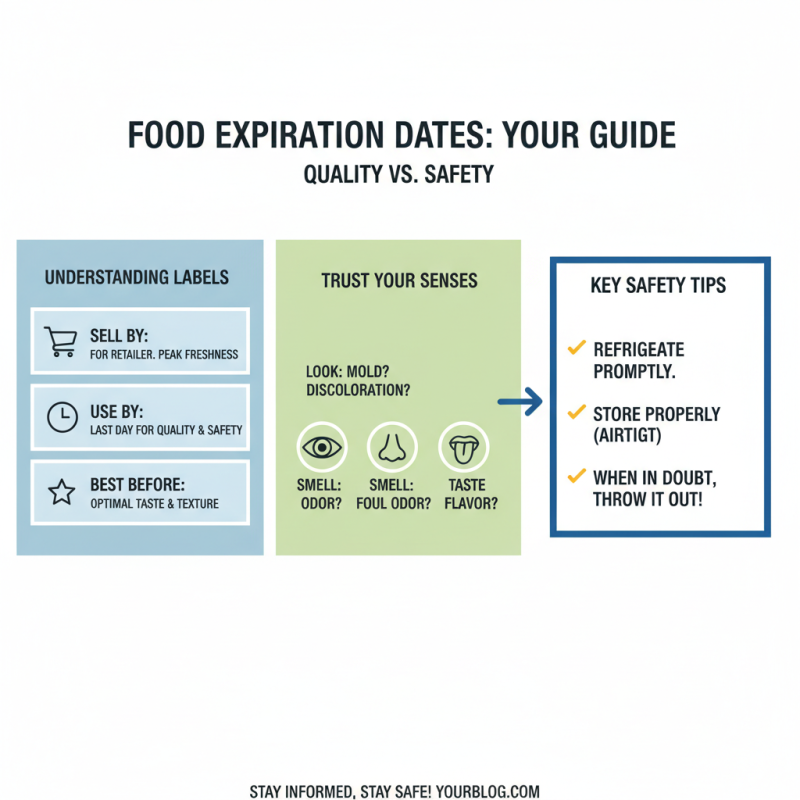
Understanding expiration dates and safe consumption guidelines is essential for maintaining food safety and ensuring the best quality of the food you consume. Expiration dates can often be a source of confusion, but they serve as indicators of quality rather than strict safety cutoffs. Terms such as "sell by," "use by," and "best before" all convey different meanings. "Sell by" indicates the date by which a product should be sold for peak freshness, while "use by" denotes the last date for guaranteed quality and safety. It’s important to trust your senses—visual appearance, smell, and taste play critical roles in assessing food freshness.
In addition to understanding these dates, following safe consumption guidelines can prevent foodborne illnesses. When food is past its expiration date, it's vital to evaluate its condition before deciding to consume it. Refrigeration and proper storage are also key factors; perishable items should be kept at safe temperatures and consumed within recommended timeframes. Leftovers should ideally be eaten within three to four days, and when in doubt, it's better to err on the side of caution. By being informed about these aspects, you can significantly reduce waste while ensuring that the food you eat is both fresh and safe.