How to Use Machine Vision Inspection for Quality Control?
Machine Vision Inspection has emerged as a transformative tool in quality control across various industries. Recent industry reports indicate that the global machine vision market is projected to reach $12 billion by 2025, driven largely by demands for enhanced productivity and precision. This technology enables manufacturers to detect defects, ensuring product quality while minimizing human error.
In manufacturing sectors, using Machine Vision Inspection can reduce inspection time by up to 90%. Many companies have reported a significant decrease in waste due to improved defect identification. However, successful implementation is not without challenges. High initial costs and the need for skilled personnel can hamper adoption. Some firms struggle to integrate this technology fully with existing systems.
Despite these hurdles, the benefits of Machine Vision Inspection are compelling. Not only does it enhance efficiency, but it also provides valuable data for continuous improvement. As industries evolve, a reflective approach to adopting this technology will be vital for maximizing its advantages. Addressing these challenges head-on will present new opportunities for growth and innovation in quality control.
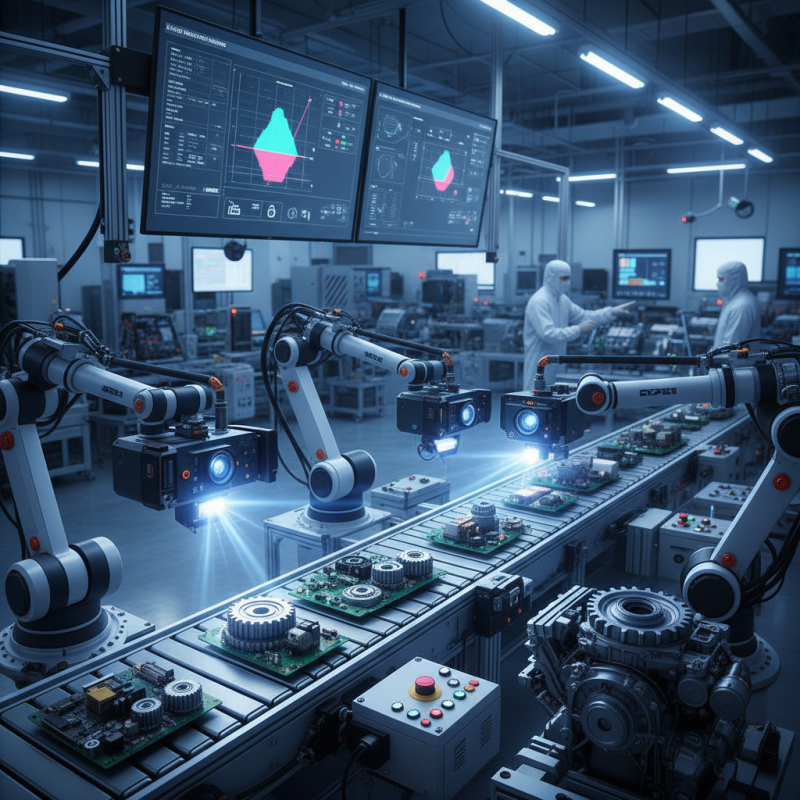
Overview of Machine Vision Inspection Technologies and Applications
Machine vision inspection is transforming quality control across various industries. This technology utilizes cameras and software to analyze products in real-time. According to a report by MarketsandMarkets, the machine vision market is expected to grow from $11.22 billion in 2020 to $21.64 billion by 2025. This rapid growth highlights the technology's effectiveness in enhancing quality assurance processes.
Applications span multiple sectors, including automotive, pharmaceuticals, and electronics. In the automotive industry, machine vision can detect defects in parts that might elude the human eye. For example, cameras can check the alignment of components or the quality of welds. A 2021 study revealed that companies employing machine vision systems saw a 20% reduction in defect rates. However, not every implemented system delivers optimal results. Issues can arise from improper lighting or camera positioning, leading to incorrect readings.
Tips: Always calibrate your systems. Regular maintenance is essential. Test different lighting conditions for best results. Investing time in training staff on system operation is crucial. Remember, while machine vision offers precision, human oversight remains valuable. Errors can occur, and awareness of potential pitfalls is necessary for improvement.
Key Components of Machine Vision Systems in Quality Control Processes
Machine vision systems play a crucial role in quality control processes. These systems rely on several key components to ensure accuracy. Cameras capture images of products, while lighting enhances visibility. The software then analyzes these images for defects or irregularities.
Effective machine vision systems must consider various factors. Not all cameras are suitable for every application. Selection is critical to achieving desired outcomes. The use of different lighting techniques may also yield different results. Experimentation is key to finding the best combination.
For those implementing these systems, here are a few tips. Always calibrate your equipment regularly. A small misalignment can lead to incorrect assessments. Additionally, consider environmental factors such as dust or glare. These can interfere with image quality and lead to false readings. Remember, no system is perfect. Continuous monitoring and adjustment are essential for optimal performance.
Industry Statistics on Defect Detection Rates Using Machine Vision
In recent years, machine vision inspection has transformed quality control processes across various industries. Statistics show that defect detection rates can reach astonishing levels, often exceeding 90%. This improvement can significantly reduce waste and enhance product reliability. However, these statistics can be misleading. Variability in system performance and environmental factors can affect results.
Tips: Use good lighting to improve image quality. Clear images lead to better analysis. Moreover, ensure regular maintenance on the camera systems. A simple dust particle can skew results.
Machine vision systems also struggle with complex shapes. They may miss defects in intricate designs. While the technology is impressive, it is not infallible. Manual inspections can still play a crucial role.
Tips: Combine machine vision with human oversight. This approach balances efficiency and accuracy. Watch for specific patterns that machines might overlook.
Investing in proper training for staff is essential. Even the best technology cannot replace skilled observation. Analysis often requires a human touch to interpret machine findings. Variations in materials or production methods can introduce new challenges, so continuous adaptation is crucial.
How to Use Machine Vision Inspection for Quality Control? - Industry Statistics on Defect Detection Rates Using Machine Vision
| Industry | Defect Detection Rate (%) | Common Defects Detected | Inspection Type |
| Automotive | 95 | Surface scratches, Misalignments | 2D, 3D |
| Electronics | 98 | Solder defects, Misplaced components | Inline Inspection |
| Food & Beverage | 90 | Foreign objects, Packaging defects | X-ray, Vision Systems |
| Pharmaceutical | 92 | Labeling errors, Container defects | Automated Inspection |
| Textiles | 88 | Fabric flaws, Color mismatches | Visual Inspection |
Comparison of Machine Vision and Traditional Inspection Methods
In the realm of quality control, machine vision inspection offers significant advantages over traditional methods. Traditional inspection relies heavily on human eyes and basic tools. Studies show that manual inspection can miss up to 20% of defects. In contrast, machine vision systems can achieve over 95% accuracy. This technology analyzes images in real-time, ensuring a consistent and efficient assessment of products.
Machine vision provides a level of precision that is hard to match. For instance, it can detect minute defects in product surfaces, which human inspectors might overlook. A report from industry experts indicates that companies using this technology have reduced inspection time by up to 50%. However, it’s essential to acknowledge that implementing such systems requires substantial initial investment and training for staff.
Tips: Start small by testing machine vision on specific products. Monitor performance closely to adjust settings. Consider integrating both methods during the transition. This balance can highlight unforeseen challenges and help in refining the process. While machine vision comes with impressive benefits, the reliance on technology can occasionally yield unexpected errors. Continuous assessment of the system is crucial.
Comparison of Machine Vision Inspection and Traditional Inspection Methods
Challenges and Best Practices for Implementing Machine Vision Systems
Implementing machine vision systems for quality control presents notable challenges. One common issue is lighting. Insufficient or uneven lighting can lead to inconsistent results. Proper lighting setup is crucial. A poorly designed light can obscure details. It’s essential to experiment with different angles and intensities. This process may take time, and not all setups yield perfect results.
Calibration also poses difficulties. Regular adjustments are necessary to maintain accuracy. Many operators overlook this step. Neglecting it can result in faulty inspections. Training personnel to recognize these calibration needs is vital. They should learn to adjust systems based on product variations. It's not just about having the technology; understanding it is key.
Integration into existing workflows might feel overwhelming. Many companies hesitate, fearing disruption. However, incremental steps can ease the transition. Start with pilot projects to gather data. Analyze the results before a full rollout. Each step will reveal insights, but not all findings will be positive. Adapting to machine vision is an ongoing journey, filled with learning opportunities.