How to Source Aluminium Tube for Your Business Needs?
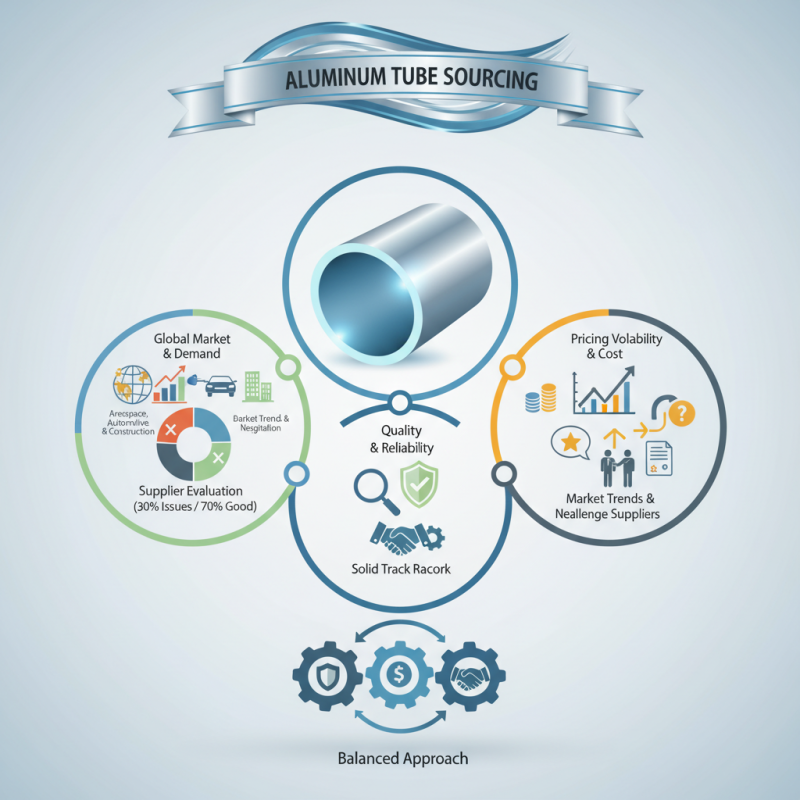
Sourcing Aluminium Tube for your business requires careful consideration. The global aluminium market is expected to reach $187 billion by 2026, with increasing demand for lighter materials across various industries. Aluminium tubes play a crucial role in sectors such as aerospace, automotive, and construction. Their lightweight nature and corrosion resistance make them essential materials.
However, sourcing these materials can be challenging. Quality and reliability are of utmost importance. According to industry reports, over 30% of businesses face issues with insufficient supplier quality. This underscores the need for thorough supplier evaluation. Establishing relationships with manufacturers who have a solid track record is vital.
Additionally, pricing volatility in the aluminium market requires businesses to stay informed. Tracking market trends will help in negotiating better rates. Not all suppliers can provide consistent quality and service. Therefore, challenging your current suppliers to improve upon their offerings can yield better results. The sourcing process for Aluminium Tube necessitates a balanced approach of quality, cost, and reliability.
Understanding the Types of Aluminium Tubes Available for Sourcing
When sourcing aluminium tubes, it’s crucial to understand the various types available. Aluminium tubes come in different profiles, including round, square, and rectangular shapes. Each type serves specific applications. For instance, round tubes are commonly used in structural and automotive applications. According to industry reports, the global demand for aluminium tubes is projected to grow significantly, with a CAGR of approximately 4.5% from 2021 to 2028.
Different alloys affect the performance and characteristics of aluminium tubes. The 6061 and 6063 alloys are prevalent due to their good corrosion resistance and ability to be welded easily. It’s essential to choose the right alloy based on your project’s requirements. Factors such as strength, weight, and finish will also influence your selection.
Tip: Always request material certifications when sourcing. This ensures that you are getting the quality you need. Additionally, engage with suppliers who have a proven track record in the industry. This can save you potential frustration down the line.
In sourcing, imperfections can sometimes show. For example, specification deviations could occur during manufacturing. Always allow room for inspection and testing of samples. Reflect on your choices and adjust accordingly. The right aluminium tube can elevate your product, but the wrong choice can lead to costly mistakes.
Identifying Key Suppliers and Manufacturers in the Aluminium Industry
Sourcing aluminium tubing for business needs requires careful consideration of suppliers. It’s essential to identify reliable manufacturers in the aluminium industry. Start by researching local and international suppliers. Various directories and industry databases can offer insights into reputable companies. Examining their histories can reveal their reliability and expertise.
Being aware of supplier certifications is crucial. Products should meet established standards, ensuring quality. It's wise to request samples before making large orders. This helps evaluate the workmanship and material quality. Engage in dialogue with potential suppliers. Ask them about their production processes, quality control measures, and delivery timelines.
Some suppliers may not provide the level of service expected. Communication gaps can lead to misunderstandings. Identifying reliable partners is not always straightforward. It's important to be aware of red flags. If manufacturers are unwilling to share information, it may indicate larger issues. Keep an open mind and be prepared to reassess your choices as new information emerges.
Evaluating Quality Standards and Certifications for Aluminium Tubes
When sourcing aluminium tubes for business needs, quality standards and certifications play a vital role. Understanding these standards helps ensure that the tubes meet your specific requirements. Common certifications include ISO 9001 for quality management and ASTM standards for material specifications. These certifications confirm that manufacturers follow best practices. It’s essential to request documentation showing compliance with these standards.
Evaluating the quality of aluminium tubes goes beyond just checking certifications. You should also assess the manufacturer’s reputation. Look for industry feedback and performance records. Ask questions about their testing processes. Are their tubes subjected to rigorous inspections? What types of tests are performed? Gathering this information can reveal a lot about their commitment to quality.
Not all suppliers provide transparent information. Some may lack clarity in their certifications or quality assurance processes. It's wise to remain cautious. Choose suppliers who willingly share details about their procedures. This approach aids in minimizing risks and enhancing your sourcing decisions. Quality sourcing is not just about meeting requirements; it is also about building trust with your suppliers.
Analyzing Cost Factors and Pricing Trends in the Aluminium Tube Market
When sourcing aluminium tubes for your business, understanding cost factors is crucial. The aluminium tube market is influenced by various pricing trends. Raw material costs fluctuate based on global supply and demand. Price volatility can lead to unexpected expenses, impacting your budget planning.
Tips: Monitor market trends regularly. Keeping an eye on global aluminium prices helps in forecasting costs. Set a flexible budget to accommodate changes. Building relationships with suppliers may also provide insights into upcoming price shifts.
Quality and specifications matter too. Aluminium tubes come in various grades, which can affect pricing. Higher-grade materials may lead to better performance but can increase costs. Understanding your specific needs will aid in making informed decisions.
Consider logistics as a cost factor. Shipping and handling fees can add up, especially for bulk orders. Sourcing locally may reduce costs and improve delivery times. Analyze the benefits and drawbacks of different sourcing options to find the best fit for your needs.
Implementing Sustainable Sourcing Practices for Aluminium Products
Sustainable sourcing practices for aluminium products are essential in today’s business landscape. According to a report by the International Aluminium Institute, the industry aims to reduce carbon emissions by 18% by 2030. This target reflects a broader commitment to sustainability that can guide businesses in sourcing aluminium tubes.
Implementing eco-friendly sourcing involves several key strategies. First, consider suppliers who utilize recycled aluminium. This practice can decrease energy consumption by up to 95%, significantly reducing your carbon footprint. Additionally, ensure that suppliers adhere to responsible mining practices. Transparency in the supply chain is crucial. Without it, businesses risk supporting unsustainable methods.
Tips: Always conduct due diligence on potential suppliers. Look for certifications that demonstrate compliance with sustainable practices. Collaborating with suppliers who prioritize sustainability fosters a stronger supply chain and enhances your brand’s reputation. Regularly review and assess your sourcing strategy to identify areas for improvement. Sustainable practices are an ongoing journey, requiring constant reflection and adaptation.