Top 5 Tips for Choosing Eco Friendly Disposable Coffee Cups?
In today's world, the emphasis on sustainability is stronger than ever. Disposable Coffee Cups are a common sight in coffee shops and offices, but their environmental impact is significant. Many people are unaware that traditional disposable coffee cups are not easily recyclable. This contributes to the ever-growing problem of plastic waste.
Choosing eco-friendly disposable coffee cups is essential for reducing our carbon footprint. However, with countless options available, making the right choice can be overwhelming. Factors such as material, biodegradability, and manufacturing practices play a crucial role in determining their environmental impact. As consumers, we must be informed and intentional about our choices.
It's a journey of exploration. Not all cups are created equal, and many brands claim to be green while still contributing to harm. As we navigate this landscape, we should question and reflect on our purchasing habits. The right disposable coffee cups not only meet our needs but also align with our values. Embracing eco-friendliness can lead to a more sustainable future for everyone.
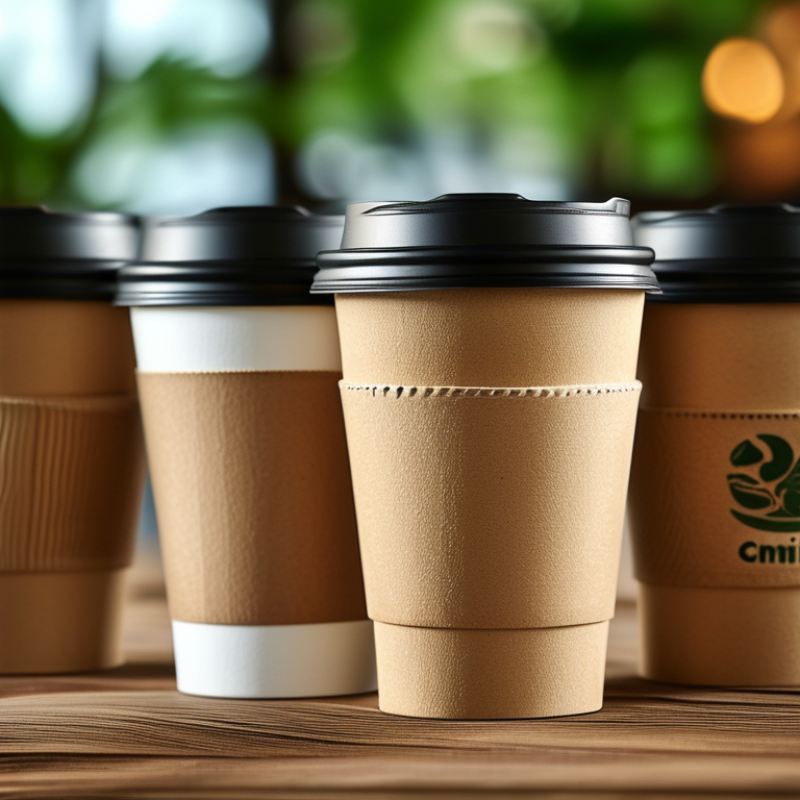
Understanding the Importance of Eco-Friendly Disposable Coffee Cups
Choosing eco-friendly disposable coffee cups is increasingly important in today's world. According to the World Economic Forum, around 300 million tons of plastic are produced each year. A significant portion of this ends up in our oceans and landfills, harming marine life and polluting environments. This growing concern has led to a push for sustainable alternatives, especially in the food and beverage industry.
When selecting eco-friendly disposable cups, consider materials like plant-based plastics or recycled paper. These options help reduce carbon footprints and lessen waste. Look for cups that are certified compostable, meaning they break down naturally. Some cups made from sugarcane or bamboo fibers can completely decompose in commercial composting facilities.
It's also vital to assess the cup's design. Double-walled cups minimize heat loss and reduce the need for unnecessary sleeves, saving more resources. Additionally, choose cups that are lightweight, as lighter cups reduce transportation emissions. Engaging with suppliers about their sustainability practices can further ensure your choices effectively contribute to environmental preservation. Remember, every small decision can lead to a more significant impact on our planet's health.
Materials to Consider for Sustainable Coffee Cup Options
When choosing eco-friendly disposable coffee cups, materials matter. Opt for cups made from plant-based materials. These break down naturally and reduce landfill waste. Look for cups made from bamboo, sugarcane, or recycled paper. Each option offers unique benefits.
Bamboo cups are sturdy and biodegradable. They decompose quickly, making them a strong contender. Sugarcane, or bagasse, is a byproduct of sugar manufacturing. It is renewable and compostable. Recycled paper cups, though popular, often contain a plastic lining, complicating their disposal.
Keep in mind, not all eco-friendly options are perfect. Some bioplastics still require industrial composting. Finding reliable suppliers for sustainable cups can be challenging. It's crucial to research and ask questions. Striving for better choices pushes us toward a greener future.
Top 5 Tips for Choosing Eco Friendly Disposable Coffee Cups
| Material | Biodegradability | Recyclability | Insulation | Cost |
| PLA (Polylactic Acid) | Compostable within 90-180 days | Limited | Good | Moderate |
| Bamboo | Completely biodegradable | Yes | Excellent | Higher |
| Recycled Paper | Compostable | Yes | Moderate | Low |
| Sugarcane Bagasse | Compostable | Limited | Good | Moderate |
| Plant-Based Coated Paper | Compostable | Limited | Good | Moderate-High |
Evaluating the Biodegradability of Coffee Cup Choices
When evaluating the biodegradability of coffee cup choices, it's essential to understand the impact of materials. Many disposable coffee cups are made from a plastic-lined paper that complicates decomposition. Studies indicate that traditional paper cups can take up to 30 years to break down in landfills. This is concerning, as millions of cups are discarded every day.
An eco-friendly option might include cups made from plant-based materials, such as PLA (polylactic acid). Research shows that these materials can decompose within 90 to 180 days under commercial composting conditions. However, not all composting facilities accept these cups, leading to questions about effective recycling programs.
Additionally, it’s important to consider the overall lifecycle of the product. Some biodegradable cups may still require significant energy and resources to produce. A 2020 report highlighted that while they reduce waste, the production process can emit substantial CO2. Thus, even eco-friendly options require critical evaluation to ensure they are genuinely sustainable.
Assessing the Manufacturing Practices of Coffee Cup Brands
When assessing the manufacturing practices of disposable coffee cup brands, it's crucial to look beyond surface-level claims. An estimated 16 billion disposable coffee cups are used each year in the U.S. alone, often leading to significant waste issues. The production process can heavily impact the environment, especially if harmful materials are involved.
Many brands tout eco-friendliness, but the truth may differ. For instance, a study revealed that cups made from polyethylene can take over 30 years to decompose, creating long-lasting waste. Evaluating the sourcing of materials is essential. Look for brands that use renewable resources and avoid plastic lining. Certifications, like compostability or FSC (Forest Stewardship Council) approval, enhance credibility.
Transparency is key in manufacturing. Some companies disclose details of their processes, while others keep quiet. Engaging with brands that share their supply chain practices builds trust. This is where many concerns lie; not all brands are forthcoming about their environmental impact. It’s essential to dig deeper and scrutinize what eco-friendly means in this context.
Design and Functionality: Balancing Eco-Friendliness with Usability
In the quest for eco-friendly disposable coffee cups, design and functionality play significant roles. The right balance ensures that sustainability does not sacrifice user experience. Recent studies indicate that over 50% of consumers consider usability crucial when selecting eco-friendly options. A well-designed cup should not only minimize environmental impact but also facilitate a pleasant drinking experience.
The materials used in these cups are vital. Biodegradable options often use plant-based polymers. These materials can break down naturally within months, unlike traditional plastics that may linger for centuries. However, the performance of such cups can vary. Some may not withstand hot liquids, leading to leaks. This inconsistency can frustrate consumers and deter them from choosing eco-friendly products altogether.
Additionally, aesthetics play a role in functionality. Many consumers are drawn to visually appealing designs. A cup that looks good can elevate the overall coffee experience. Research reveals that over 70% of customers are more inclined to choose eco-friendly cups if they feature attractive designs. Achieving both environmental responsibility and user satisfaction requires ongoing innovation and careful consideration of consumer preferences.