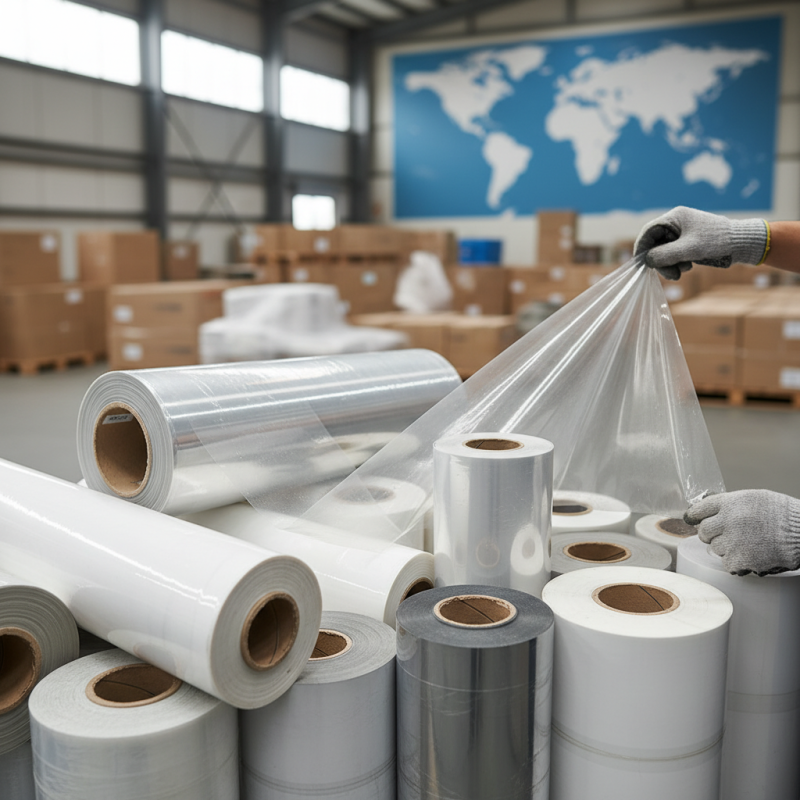
Ultimate Tips for Choosing Rolling Packaging Film?
Choosing the right Rolling Packaging Film can greatly impact your business. This film protects products during shipping and storage. A bad choice may lead to damaged goods and unhappy customers.
When selecting Rolling Packaging Film, consider material strength and thickness. Different products require specific types of films. For example, fragile items need stronger films to prevent breakage. Think about the climate too. Humidity can affect film performance.
Looking for the best film might feel overwhelming. Many options exist in the market. It’s important to test different films. Sometimes, even a small change can make a big difference. Finding the ideal Rolling Packaging Film requires time and experimentation. Don't rush; reflect on what works best for your needs.
Understanding the Different Types of Rolling Packaging Films
When selecting rolling packaging films, understanding the various types is crucial. There are several options available, each with unique characteristics. For instance, stretch films are often used for palletizing. They provide excellent load stability and protection. According to a recent market analysis, the demand for stretch films alone is set to grow at a CAGR of 4.6% through 2025.
Shrink films are another popular choice, especially in food packaging. They adapt to the shape of the product, providing a tight fit. This feature enhances shelf life and visibility. Reports indicate that the global shrink film market will reach $15 billion by 2024. However, manufacturers often face challenges such as variations in heat applications, which can lead to inconsistent sealing.
Biodegradable films are gaining traction too. As sustainability becomes a priority, these films are made from renewable resources. They appeal to eco-conscious brands and consumers. Yet, there remains debate about their performance compared to traditional plastics. Understanding these differences is pivotal for making informed choices within the packaging industry.
Key Factors to Consider When Choosing Rolling Packaging Film
When choosing rolling packaging film, several key factors come into play. The material is fundamental. Films made of polyethylene, polypropylene, or other materials each have unique properties. For example, polyethylene is versatile and moisture-resistant. However, it may not provide the same barrier against gases as some polypropylene films do. Understanding these materials helps businesses make informed choices.
Another important consideration is the thickness of the film. Thicker films can offer more durability, but they often come with added costs. It’s a delicate balance between cost and strength. A packaging film that is too thin might lead to product exposure, while one that is excessively thick could increase production expenses. Experimenting with different thicknesses can help find the right fit.
Additionally, the intended use greatly impacts film selection. For perishable goods, ensuring adequate barrier properties is critical. On the other hand, non-perishable items may prioritize cost over protection. Think about your product’s specific needs. Reflecting on these details can refine your decision-making process. Ultimately, thoughtful evaluation of these factors results in better packaging solutions.
The Importance of Film Thickness and Material in Packaging
When selecting rolling packaging film, thickness and material are key factors. The right thickness ensures product protection. It affects , flexibility, and sealing properties. Thicker films may resist punctures better, while thinner options can be more cost-effective and easier to handle.
Consider your product’s needs carefully. A delicate item may require a thicker film for added protection. Heavy products might benefit from stronger material. Experiment with variations to find the perfect fit. Testing different film thicknesses can reveal surprising results.
Choose materials wisely. Polyethylene, polypropylene, and polyvinyl chloride each have unique qualities. Some are more stretchable, while others provide a tight seal. Assess how climate affects packaging performance too. For example, humidity can change how materials behave.
Balancing these elements is crucial for effective packaging.
Evaluating Cost-Effectiveness and Quality in Packaging Film
Choosing the right rolling packaging film can significantly affect your product's performance. Evaluating cost-effectiveness and quality is crucial in this decision-making process. Cost is often the first factor to consider. Look beyond the initial price. Examine the longevity and durability of the film. Higher-quality films may cost more upfront but offer better protection against elements like moisture and UV light.
Assessing quality requires careful inspection. Look at the film's thickness and tensile strength. Thicker films can withstand more wear and tear. However, a thicker film may not always be necessary. Sometimes, a lighter film with a specific coating can achieve the same result. Testing different types can help find the right balance.
Reflecting on previous purchases can also inform better decisions. Did a cheaper film fail early? Did a premium option save you from returns? These experiences highlight that the lowest price does not always equal the best choice. Quality should never be sacrificed for cost. The ideal packaging film enhances product safety while staying within budget constraints.
Ultimate Tips for Choosing Rolling Packaging Film
| Film Type | Cost per Meter (USD) | Thickness (Microns) | Tensile Strength (MPa) | Elongation at Break (%) | Transparency (%) |
| Polyethylene (PE) | 0.15 | 50 | 20 | 300 | 85 |
| Polypropylene (PP) | 0.20 | 40 | 30 | 300 | 90 |
| Polyvinyl Chloride (PVC) | 0.25 | 70 | 25 | 250 | 80 |
| Biaxially Oriented Polypropylene (BOPP) | 0.30 | 30 | 35 | 400 | 95 |
| Low-Density Polyethylene (LDPE) | 0.18 | 60 | 18 | 250 | 75 |
Best Practices for Handling and Storing Rolling Packaging Film
Handling and storing rolling packaging film properly is crucial for maintaining its quality. According to a report by the Flexible Packaging Association, improper storage can lead to film degradation, affecting its performance and usability. For instance, exposure to direct sunlight can cause the film to become brittle over time. Aim for climate-controlled environments where temperatures stay between 60 to 75°F. This range helps prevent moisture absorption and maintains film integrity.
It’s essential to keep film rolls upright. Stacking them horizontally can lead to deformation, affecting the film's rolling ability. It's a good idea to label each roll clearly. This prevents confusion and helps in inventory management. Consider a first-in, first-out system to utilize older stock before new rolls.
A common mistake is neglecting humidity control. High humidity can cause the film to stick together. If you find rolls have bonded, do not force them apart. This can cause stretching or damage. Instead, allow them to acclimate in a drier environment. Always inspect rolls before use to check for any inconsistencies or defects. A little attention now saves time later. These practices ensure that your packaging film performs effectively when it matters most.