Top 10 Cosmetic Bottles in China for Global Buyers?
The cosmetic packaging industry in China is thriving, with significant growth expected in the coming years. A report by Grand View Research indicates that the global cosmetic packaging market is projected to reach USD 39.24 billion by 2025, with a notable share attributed to cosmetic bottles. As global buyers seek innovative and sustainable solutions, China remains a key player in providing a diverse range of cosmetic bottles.
When selecting cosmetic bottles, factors like material quality, design, and functionality are crucial. Industry experts emphasize the need for lightweight and recyclable materials to meet eco-conscious consumer demands. However, not all suppliers adhere to high-quality standards or environmentally friendly practices, which can lead to challenges for global buyers.
While many cosmetic bottles stand out for their aesthetic appeal, reliability in performance is equally important. Some products may fail to protect the contents from contamination, leaving room for improvement in design and manufacturing. Global buyers should conduct thorough research to ensure they partner with reputable manufacturers in China.
Overview of the Cosmetic Bottle Industry in China
The cosmetic bottle industry in China has shown remarkable growth in recent years. In 2022, the market was valued at approximately $3 billion and is expected to grow at a CAGR of around 8% through 2027. This rapid expansion is fueled by a surge in demand for beauty products, especially among younger consumers.
China is the largest producer of cosmetic packaging. More than 30% of global cosmetic bottles come from this market. Manufacturers focus on sustainability and innovation. Eco-friendly materials are increasingly popular. In addition, advanced technology has improved production efficiency, reducing costs. Yet, challenges remain. Quality control issues occasionally arise, impacting brand reputation.
Consumer preferences are evolving. There is a rising demand for personalized and aesthetically pleasing designs. Brands often struggle to keep up with these trends. It's essential for producers to adapt quickly. Understanding market dynamics is crucial for success in this competitive landscape.
Key Features Desired by Global Buyers
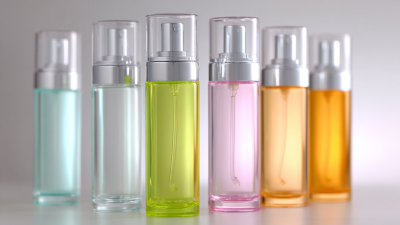
Cosmetic bottles in China attract global buyers for several key features. Quality is paramount. Buyers seek bottles made from durable materials that prevent leaks and protect contents. Clear glass and high-grade plastics are popular choices. They allow consumers to see the product inside, enhancing trust and appeal.
Another significant factor is design. Unique shapes and colors can make a product stand out on shelves. Aesthetic appeal plays a vital role in attracting customers. Engaging designs can influence purchasing decisions significantly. Functionality is also crucial. Easy-to-use dispensers and travel-friendly sizes are often preferred.
Tips: When assessing bottles, consider the aesthetic and functional aspects together. Look for designs that resonate with your target audience. Also, ensure the materials align with your brand values. It’s worth noting that while trends are enticing, practical features should not be overlooked. Balancing beauty with usability can lead to better customer satisfaction.
Top 10 Cosmetic Bottle Designs Popular in the Market
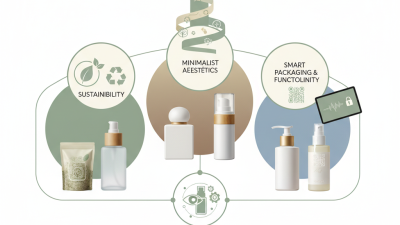
Cosmetic bottles in China showcase various innovative designs popular among global buyers. One striking trend is the use of sustainable materials. Brands are increasingly favoring eco-friendly plastics and glass to attract eco-conscious consumers. This shift reflects a growing awareness of environmental impact. It faces challenges, however, in sourcing truly sustainable materials.
Another popular design is minimalist aesthetics. Clean lines and simple shapes create a modern appeal. Users appreciate the elegance and functionality of these bottles. However, some brands struggle to distinguish themselves in a crowded market. Balancing simplicity with uniqueness remains a challenge.
Lastly, multifunctional packaging has gained traction. Bottles that double as applicators or feature refill capabilities appeal to busy consumers. This convenience is attractive, yet it raises questions about usability and practicality. Buyers often find themselves selecting between style and function, making their choices more complex. The evolving landscape of cosmetic bottle design continues to provoke thought and reflection among manufacturers and consumers alike.
Sustainability Trends in China's Cosmetic Bottle Manufacturing
The cosmetic bottle manufacturing industry in China is evolving rapidly. Sustainability is now a key focus. Reports indicate that by 2025, over 75% of consumers in China prefer eco-friendly packaging. This shift reflects a growing awareness of environmental impacts.
Plastic waste remains a significant issue. In 2022, China produced approximately 24 million tons of plastic waste from cosmetics alone. Many manufacturers are now exploring alternatives. They are investing in biodegradable materials and recycling processes. Some are collaborating with environmental organizations for better practices.
However, challenges persist. The transition to sustainable materials often incurs higher costs. This can deter smaller brands from adopting greener options. Moreover, consumer education on sustainable choices is still lacking. Brands need to communicate the benefits clearly. Enhancing clarity can drive consumer preference for eco-friendly bottles.
Future Innovations in Cosmetic Bottles for Global Consumers
The cosmetics industry in China is evolving rapidly. Global buyers are seeking innovative solutions that enhance user experience. Future innovations in cosmetic bottles must focus on sustainability and functionality. Eco-friendly materials are a growing trend. Many consumers prefer packaging that reduces waste.
Alongside sustainability, design plays a crucial role. Modern consumers appreciate sleek, ergonomic shapes that are easy to use. Bottles should be lightweight but durable. Integration of smart features, like refill alerts, can increase convenience. Yet, companies must also address potential issues with these innovations. Smart bottles may not be suitable for all consumers.
Creative designs often lead to new challenges. Unconventional shapes might complicate manufacturing processes. Companies may struggle with scaling production while maintaining quality. Testing these new concepts can be resource-intensive. Balancing innovation with practicality is vital. Brands must remain attuned to consumer needs and preferences.
Top 10 Cosmetic Bottles in China for Global Buyers
| Rank |
Material |
Capacity (ml) |
Usage Type |
Innovative Features |
| 1 |
Glass |
50 |
Serum |
Airless Pump |
| 2 |
Plastic |
100 |
Moisturizer |
Recyclable Material |
| 3 |
Aluminum |
30 |
Face Mist |
Eco-friendly Coating |
| 4 |
PET |
120 |
Sunscreen |
UV Protection |
| 5 |
PP |
80 |
Cream |
Pump Dispenser |
| 6 |
Glass |
150 |
Essence |
Dropper Cap |
| 7 |
Bamboo |
60 |
Facial Oil |
Sustainable Material |
| 8 |
Ceramic |
200 |
Night Cream |
Luxury Finish |
| 9 |
Acrylic |
90 |
Lip Balm |
Customizable Color |
| 10 |
PETG |
250 |
Body Lotion |
Refillable Option |