The packaging business is undergoing rapid transformations, driven by innovation and consumer demands. Companies must stay ahead of trends to maintain competitiveness. As sustainability becomes paramount, eco-friendly materials and designs are leading the way. Brands are exploring biodegradable options, appealing to environmentally conscious consumers.
Digital advancements are also reshaping the packaging landscape. Smart packaging technology, such as QR codes and augmented reality, enhances customer engagement. Packaging businesses are rethinking how they interact with consumers. Yet, challenges exist, such as balancing cost with innovation.
Understanding these trends is crucial for success. The packaging business landscape is complex and ever-evolving. Stakeholders must adapt and innovate constantly. By recognizing these key trends, companies can position themselves for growth and sustainability in an increasingly competitive market.
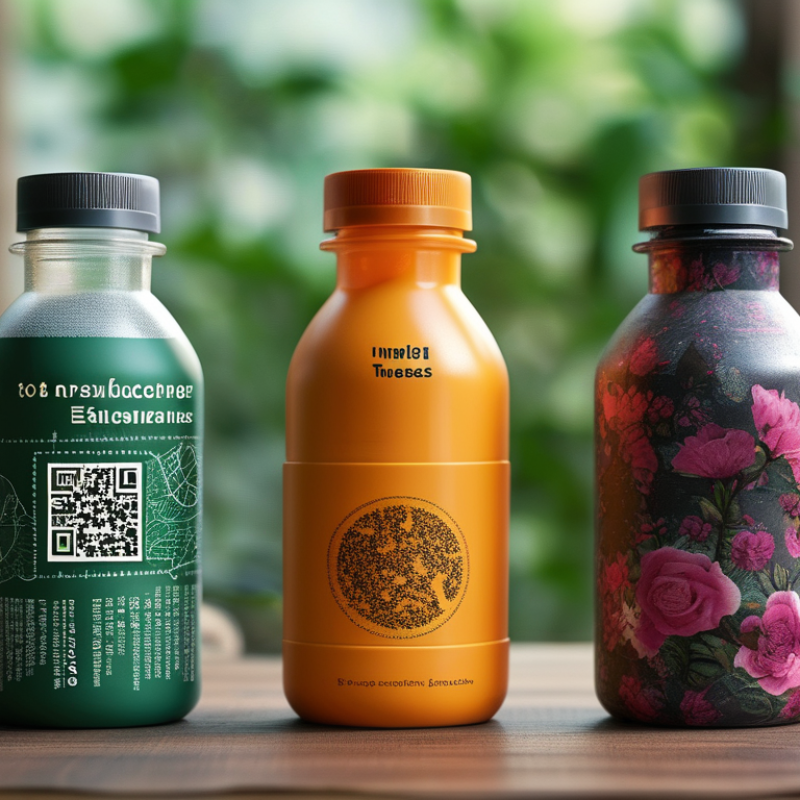
In recent years, the demand for sustainable packaging solutions has surged. A report by Smithers estimates that the global sustainable packaging market will reach $500 billion by 2026. This rise is driven by consumer preferences for eco-friendly materials. A significant 72% of consumers are willing to pay more for sustainable packaging, highlighting its importance.
Recycling and biodegradable materials are at the forefront of this trend. Research shows that companies adopting sustainable practices can expect a 30% increase in brand loyalty. However, many businesses still struggle with implementation. The transition to sustainable materials can be costly and complex. For instance, brands often face supply chain challenges when sourcing eco-friendly alternatives.
The industry is witnessing innovative solutions. Lightweight packaging and the use of plant-based materials are becoming common. Despite the positive trends, there are challenges. Not all products can be packaged sustainably without affecting quality or shelf life. The future of packaging hinges on balancing sustainability with functionality and consumer safety. Finding the best approach requires ongoing research and reflection.
| Trend | Description | Impact |
|---|---|---|
| Sustainable Materials | Increasing use of biodegradable and recyclable materials in packaging. | Reduces environmental impact and meets consumer demand for eco-friendliness. |
| Smart Packaging | Integration of technology such as QR codes and NFC for enhanced consumer interaction. | Improves customer engagement and allows brands to communicate better. |
| Minimalist Design | Trend toward simpler, cleaner packaging designs. | Enhances product visibility and appeals to modern aesthetics. |
| E-commerce Packaging | Dedicated packaging solutions for online orders, focusing on protection and sustainability. | Reduces shipping damage and enhances customer satisfaction. |
| Personalization | Customized packaging options to enhance customer connection. | Increases brand loyalty and customer engagement. |
| Retail Ready Packaging | Packaging that is designed to be displayed directly on store shelves. | Facilitates ease of use for retailers and improves customer appeal. |
| Regulatory Compliance | Increased focus on compliance with global packaging regulations. | Ensures sustainability practices are met and avoids legal issues. |
| Circular Economy | Adopting packaging strategies that enable product recycling and reuse. | Promotes sustainability and resource efficiency. |
| Innovation in Printing | Advancements in printing technology for better design flexibility. | Enhances branding opportunities and reduces production costs. |
| Supply Chain Resilience | Focus on creating robust supply chains capable of withstanding disruptions. | Ensures continuity of packaging processes and reduces lead times. |
The adoption of smart packaging technologies has surged significantly in recent years. According to a report from Smithers Pira, the smart packaging market is expected to reach $28 billion by 2024. This growth is driven by consumer demand for enhanced product information and improved user experience. Smart packaging includes features like QR codes, NFC, and temperature indicators, allowing for real-time tracking and freshness monitoring.
Smart packaging not only promotes safety but also engages customers effectively. A study by MarketsandMarkets shows that 37% of consumers are willing to pay more for products with smart packaging. This trend highlights the importance of innovative solutions in meeting consumer needs. Brands now face the challenge of integrating this technology while ensuring it remains user-friendly and accessible.
Despite these advancements, companies encounter hurdles. High production costs and the need for specialized knowledge often hinder widespread implementation. There is also a risk of overwhelming consumers with technology. Balancing innovation with simplicity is critical for future success in this space. As the market evolves, companies must continuously refine their strategies to meet changing expectations.
The rise of e-commerce has significantly transformed packaging design and efficiency. According to a report by Smithers Pira, the global e-commerce packaging market is expected to reach $104 billion by 2024. This growth emphasizes the need for innovative packaging solutions that meet the demands of online shopping. Customers expect packages to be easy to open and recyclable, pushing businesses to rethink their materials and sealing methods.
A noteworthy trend is sustainable packaging. Research from Nielsen states that 73% of consumers are willing to pay more for environmentally friendly products. Brands are now opting for biodegradable materials and minimalistic designs to reduce waste. However, balancing sustainability with functionality remains a challenge that many companies face today.
Incorporating efficient packaging practices can also enhance supply chain performance. Utilizing right-sized packaging minimizes shipping costs and reduces the carbon footprint. Companies should consider automated packaging technologies to improve speed and efficiency. Errors in packaging could lead to product damage and customer dissatisfaction, thus reflection on the packaging process is crucial. Regular assessments of packaging materials and design choices can lead to improved customer experiences and operational success.
The rise of consumer experience in packaging is undeniable. Today, customers look for more than just a product; they seek a story. An engaging unboxing experience can create lasting impressions. Innovative designs, colors, and textures now play a pivotal role in packaging choices. Brands that prioritize consumer experience can distinguish themselves in a crowded market.
Sustainability also comes into play. Eco-friendly materials not only appeal to environmentally conscious shoppers but also enhance their overall experience. Visual appeal combined with smart, sustainable choices encourages brand loyalty. However, not every company has mastered this balance. Some still deliver aesthetically pleasing packages that lack sustainability. Customer frustration with wasteful packaging is growing. Reflecting on these elements is crucial for brands aiming to stay relevant.
Furthermore, personalization is becoming essential. Consumers want packaging that resonates with them personally. Customization options can significantly elevate the experience. Brands have an opportunity to connect on a deeper level, but it requires thoughtfulness. Missteps in understanding consumer preferences can result in missed opportunities. Adaptability is key in an ever-evolving landscape.
The trend towards biodegradable and compostable packaging materials is gaining momentum. Consumers are becoming increasingly aware of environmental issues. They seek sustainable alternatives to traditional packaging. This shift is prompting businesses to adopt greener solutions.
Biodegradable materials break down naturally, reducing landfill waste. Compostable packaging can return nutrients to the soil. Coffee cups made from plant fibers are a prime example. They decompose within months instead of decades. While organic materials present a promising option, the process still requires careful management. Not all biodegradable products decompose under regular conditions. The need for proper composting facilities can complicate their usage.
Educating consumers about these materials is essential. Many still confuse biodegradable with recyclable. Clear labeling is vital to avoid misconceptions. Not all compostable items can go into home compost bins. This gap in understanding creates challenges for manufacturers. As the market evolves, brands must prioritize transparency and address consumer concerns. Developing better composting systems is another challenge to tackle. Overall, these trends highlight the importance of innovation in sustainable packaging.
CONTACT US
|