Top Trends in Cosmetic Bottles for Skincare and Beauty Products
In the ever-evolving landscape of skincare and beauty products, cosmetic bottles play a crucial role in not only packaging but also in enhancing the consumer experience. According to industry expert Dr. Emily Foster, a leading authority on packaging trends, "The design and functionality of cosmetic bottles are pivotal in attracting consumers and maintaining product integrity." As we delve into the top trends in cosmetic bottles for skincare and beauty, it's essential to recognize how innovation in this sector impacts sustainability, aesthetics, and user engagement.
The shift towards eco-friendly materials and minimalist designs has redefined the cosmetic bottles market, aligning with consumers' growing emphasis on environmental consciousness. Additionally, technological advancements have introduced smart packaging options that not only ensure product safety but also provide valuable information to users, enhancing their overall experience. The combination of functionality and visual appeal in cosmetic bottles is more important than ever, as brands seek to resonate with informed and discerning customers.
This exploration of the latest trends in cosmetic bottles reveals significant insights into how brands can effectively communicate their values and commitment to quality through their packaging choices. As we examine these trends, it becomes clear that the cosmetic bottles we choose are more than mere containers; they are integral to the identity and success of skincare and beauty products in today's market.

Emerging Materials in Cosmetic Bottle Design for Sustainability
The cosmetic industry is witnessing a significant shift towards sustainability, with emerging materials playing a crucial role in the design of skincare and beauty product packaging. As consumers become more environmentally conscious, brands are exploring innovative alternatives to conventional materials, aiming to reduce their ecological footprint. One of the most promising developments is the use of biodegradable plastics and plant-based materials, which not only lessen the reliance on fossil fuels but also break down more efficiently in the environment.
Additionally, there is a growing trend towards the use of recycled materials in cosmetic bottles. Brands are increasingly designing their packaging with post-consumer recycled plastics, which not only diverts waste from landfills but also showcases a commitment to circular economy principles. These sustainable choices are complemented by minimalistic designs that reduce excess packaging, resonating with consumers who appreciate simplicity and transparency. The adoption of refillable and reusable packaging systems also highlights the industry's movement towards longevity and sustainability, encouraging consumers to participate in eco-friendly practices while enjoying their favorite products.
Innovative Shapes and Designs Influencing Skincare Packaging Trends
The skincare and beauty industry is experiencing a transformative shift in packaging design, with innovative shapes and aesthetics taking center stage. Contemporary brands are moving away from traditional bottle forms, opting instead for designs that challenge conventions and resonate with the modern consumer's desire for uniqueness.
Abstract shapes, asymmetrical contours, and sculptural designs are becoming increasingly popular, not only as a means to differentiate products on shelves but also to create a tactile experience that engages consumers before they even use the product.
In addition to shapes, colors and materials play a significant role in influencing skincare packaging trends. Eco-friendly materials, such as biodegradable plastics and glass, are gaining traction among brands looking to appeal to environmentally conscious consumers. The use of vibrant colors and artistic prints can evoke emotions and draw attention, encouraging consumers to explore and experiment. Sustainability and design are now intertwining, as creative packaging solutions reflect the values of their intended audience, enhancing the overall aesthetic appeal while supporting a commitment to the environment. As the market evolves, the importance of innovative packaging is becoming clearer—the design is no longer merely functional but an integral part of the product’s identity.
The Role of Functionality in Beauty Product Packaging Solutions
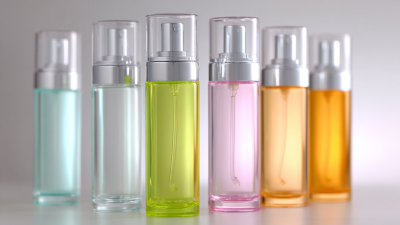
In the ever-evolving landscape of skincare and beauty product packaging, functionality plays a pivotal role in shaping consumer experiences and preferences. As consumers become more discerning, the demand for packaging solutions that prioritize ease of use, portability, and practicality is escalating. Contemporary cosmetic bottles are not just vessels, but thoughtfully designed solutions that enhance the application process, minimize waste, and facilitate product preservation. Features such as pump dispensers, airless containers, and travel-friendly sizes exemplify how functionality can complement aesthetics, resulting in a more satisfying user experience.
Moreover, the integration of innovative materials and designs reflects the industry’s commitment to sustainability without compromising functionality. Packaging solutions that are lightweight, refillable, or made from recycled materials are gaining traction, resonating with a more environmentally conscious consumer base. This trend not only streamlines the packaging process but also conveys a brand's dedication to reducing its ecological footprint. By focusing on these functional attributes, beauty brands can differentiate themselves in a crowded marketplace while contributing positively to environmental sustainability and consumer satisfaction.
Evolution of Eco-friendly Practices in Cosmetic Bottle Production
The landscape of cosmetic bottle production is undergoing a significant transformation, driven by an increasing demand for eco-friendly practices. According to a recent report by Grand View Research, the global sustainable packaging market is expected to reach $1.1 trillion by 2027, with cosmetics and personal care products accounting for a substantial share of this growth. This rise is fueled by consumers who are becoming more environmentally conscious, seeking products that align with their values, particularly in terms of sustainability.
One of the most notable trends is the shift towards materials that minimize environmental impact. Brands are adopting biodegradable plastics and recycled materials, which have seen a 22% increase in demand over the past two years, according to a study by Smithers Pira. Additionally, innovations in manufacturing processes, such as reducing energy consumption and waste during production, have become pivotal in meeting sustainability goals. The push for refillable and reusable packaging options is also gaining traction, reducing single-use plastic consumption and fostering a circular economy. Reports indicate that refillable packaging can reduce waste by up to 70%, appealing to a growing demographic of eco-minded consumers.
As the beauty industry evolves, so too does the necessity for brands to recognize the importance of sustainability in their product offerings. With consumer preferences increasingly leaning toward eco-conscious choices, the integration of eco-friendly practices in cosmetic bottle production not only addresses environmental concerns but also enhances brand loyalty and market competitiveness. Organizations that proactively embrace these sustainable practices are not only responding to market demands but are also setting a benchmark for future innovations in the cosmetics sector.
Technological Advances Shaping the Future of Cosmetic Packaging
The beauty and skincare industry is experiencing rapid transformation, thanks to technological advances that are significantly shaping the future of cosmetic packaging. Smart technology, sustainability, and customization are becoming essential factors in product design. Smart packaging solutions, such as QR codes and interactive labels, enable consumers to connect with brands in innovative ways, enhancing their overall experience. These technologies provide additional information about product usage, ingredients, and brand story, fostering a deeper connection between consumers and their favorite products.
When considering packaging, brands should focus on sustainable materials that reduce environmental impact. Biodegradable plastics and recycled materials have gained popularity as consumers increasingly prioritize eco-friendly options. By adopting sustainable practices, brands not only contribute to the planet’s well-being but also appeal to a growing demographic of environmentally conscious buyers.
**Tips:** When selecting packaging for skincare products, consider using airless pumps to preserve product integrity and extend shelf life. Additionally, explore customizable options that allow customers to engage more with the product, such as refillable designs or personalizable labels. This enhances user experience and promotes a stronger brand loyalty.