What is UVLED Flatbed Printing and Its Benefits?
UVLED Flatbed Printing is revolutionizing the printing industry. It combines innovative technology with sustainability. This printing method uses ultraviolet light to cure inks instantly. According to a market research report, the UVLED printing market is expected to grow by 15% annually. This surge is driven by demand for high-quality prints on various surfaces.
Businesses are embracing UVLED Flatbed Printing for its versatility. It can print on materials like wood, metal, and glass. This adaptability allows for unique designs in products ranging from signage to packaging. However, not all businesses understand the full potential of this technology. Some may overlook its energy efficiency and reduced waste.
Moreover, the initial investment in UVLED Flatbed Printing equipment can be daunting. Companies might hesitate due to the perceived high costs. Still, the long-term savings and environmental benefits often outweigh these concerns. A careful evaluation is crucial to see how this technology can enhance production efficiency and creativity.
Understanding UVLED Flatbed Printing Technology and Mechanisms
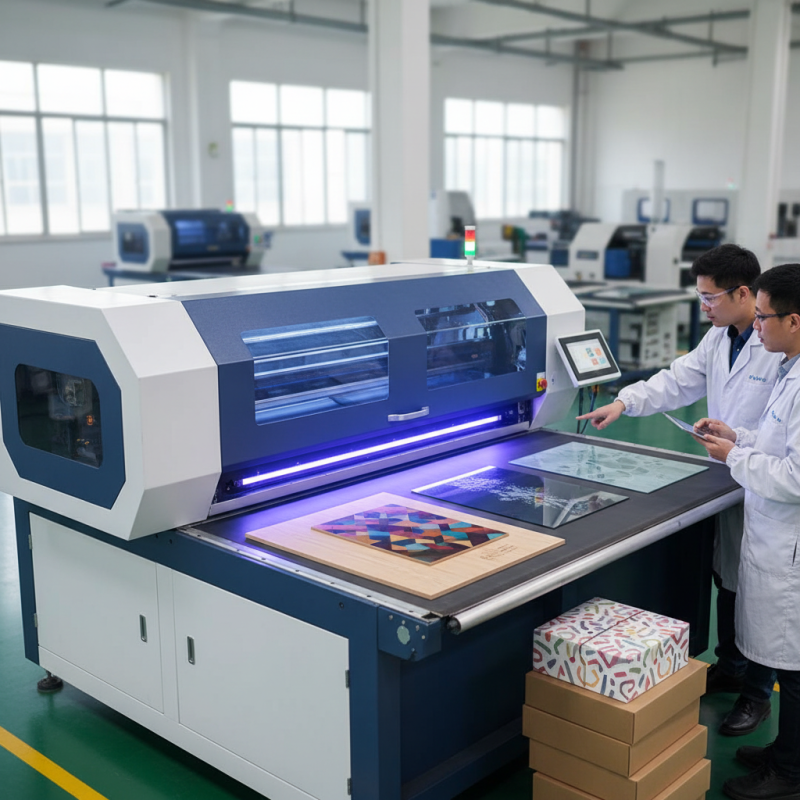
UVLED flatbed printing represents a significant advancement in printing technology. This method uses ultraviolet light to cure ink during the printing process. By illuminating the ink with UV light, it hardens instantly, leading to vibrant, long-lasting colors. The ability to print on various surfaces adds versatility to this technology. Materials can range from wood to glass, giving creative designers a broader canvas.
One notable feature of UVLED technology is its efficiency. Traditional printing often involves drying times that slow down production. With UVLED, the drying process happens in seconds. The result is a faster turnaround for projects. However, this speed can lead to a rush in design decisions. Some elements may not be as refined as they could be. It's important for designers to allow time for thoughtful adjustments.
Moreover, UVLED flatbed printers consume less energy than older models. They heat up quickly, reducing overall power usage. While this is beneficial, it’s crucial to consider the environmental impact of ink and materials. Choosing eco-friendly inks can make a difference. Each decision contributes to sustainability in printing. Balancing speed and quality presents an ongoing challenge for many users in this evolving field.
UVLED Flatbed Printing Technology Benefits
Key Components of UVLED Flatbed Printers: An Overview
UVLED flatbed printers are innovative tools that leverage ultraviolet light to cure ink instantly. These printers consist of several key components that enhance their functionality. The flatbed design allows for printing on various materials, including wood, metal, and acrylic. This versatility makes them appealing for diverse applications.
The heart of a UVLED flatbed printer is its UVLED lamps. They emit low heat and provide energy-efficient curing. This feature preserves the integrity of heat-sensitive substrates. The print heads, which are often piezoelectric, ensure high precision and consistent ink droplets. Additionally, a robust software component manages print designs, colors, and layers efficiently.
However, not everything is perfect. The initial setup can be complex, causing frustration for new users. Also, maintenance is essential to ensure optimal performance over time. UV ink can be challenging to work with, requiring careful handling.
Consideration of these aspects is crucial for anyone looking to invest in such technology. Balancing the pros and cons will lead to better decision-making in the long run.
Advantages of UVLED Printing: Efficiency and Environmental Impact
UVLED flatbed printing is a modern technology that has gained popularity in recent years. Its efficiency is one of its standout features. The print process is fast, providing high-quality results in a fraction of the time compared to traditional methods. This speed can significantly boost production capabilities. Businesses can handle more orders and meet tight deadlines more effectively.
The environmental impact of UVLED printing is another key advantage. This process uses UV light to cure the ink, resulting in low emission of volatile organic compounds (VOCs). This is better for the environment compared to solvent-based inks. However, there is still a need for improvement. Not all UV inks are eco-friendly. Ensuring sustainable practices in ink sourcing is vital. It's essential to remain aware of these factors to maximize the benefits of this technology.
Another detail is energy consumption. While UVLED printers use less power compared to conventional printers, they still rely on electricity. Companies can explore renewable energy options to offset their footprint. Reflecting on these aspects reveals both the strengths and areas for growth in UVLED printing technology. Making conscious choices will help achieve a more sustainable future in printing.
What is UVLED Flatbed Printing and Its Benefits? - Advantages of UVLED Printing: Efficiency and Environmental Impact
| Feature | Details |
| Speed | Faster printing speeds compared to traditional methods, reducing turnaround time. |
| Material Versatility | Can print on a wide range of materials, including wood, metal, plastic, and glass. |
| Environmental Impact | Uses less energy and produces fewer volatile organic compounds (VOCs) compared to traditional printers. |
| Print Quality | High-resolution printing capabilities with vibrant colors and fine details. |
| Durability | Print results are resistant to scratches, UV light, and chemicals, providing longer-lasting outcomes. |
| Cost Efficiency | Lower ink consumption and reduced waste lead to overall cost savings in production. |
Applications of UVLED Flatbed Printing in Various Industries
UVLED flatbed printing has gained traction across various industries. Its versatility offers unique applications in sectors such as packaging, interior design, and promotional materials. In packaging, for instance, UVLED printers allow vibrant designs on different materials. The technology can print directly on wood, glass, and metal. This opens doors for innovative product packaging that stands out.
In the interior design field, UVLED printing brings creativity alive. Designers can personalize wallpaper and décor items with intricate patterns. Customization becomes easier, allowing for unique settings in homes and offices. However, the technology is still evolving. There are challenges in color accuracy and print durability.
Promotional materials also benefit from UVLED flatbed printing. Businesses use it for signage and banners, showcasing bright visuals. Short production runs have become more feasible. Yet, some industries may question the eco-friendliness of the inks used. It’s a reminder that as technology advances, sustainability must remain a priority.
Market Trends and Future Projections for UVLED Flatbed Technology
UVLED flatbed printing has gained momentum in recent years. It offers distinct advantages such as reduced curing times and improved color accuracy. More businesses are adopting this technology to meet consumer demands for high-quality printing. The versatility of flatbed printers allows for a range of substrates. This includes wood, metal, and acrylic. As industries evolve, so do the printing methods.
Market trends indicate a growing interest in sustainable printing solutions. UVLED technology consumes less energy compared to traditional methods. Additionally, the inks used are often eco-friendly. However, the initial investment can be substantial. Some companies may hesitate due to costs. Yet, the long-term savings and durability of printed materials can outweigh these concerns.
Future projections for UVLED flatbed technology look promising. Analysts expect significant growth in various sectors. The ability to print on diverse materials will create new opportunities. However, businesses must remain adaptable. Challenges such as rising competition and technological advancements require continuous reflection and innovation. Keeping up with trends will be essential for future success in this dynamic market.