What Is a Plastic Bottle Manufacturer?

What Is a Plastic Bottle Manufacturer?

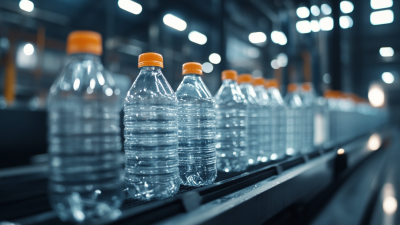
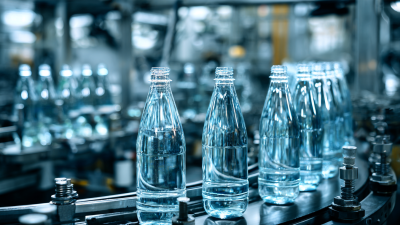
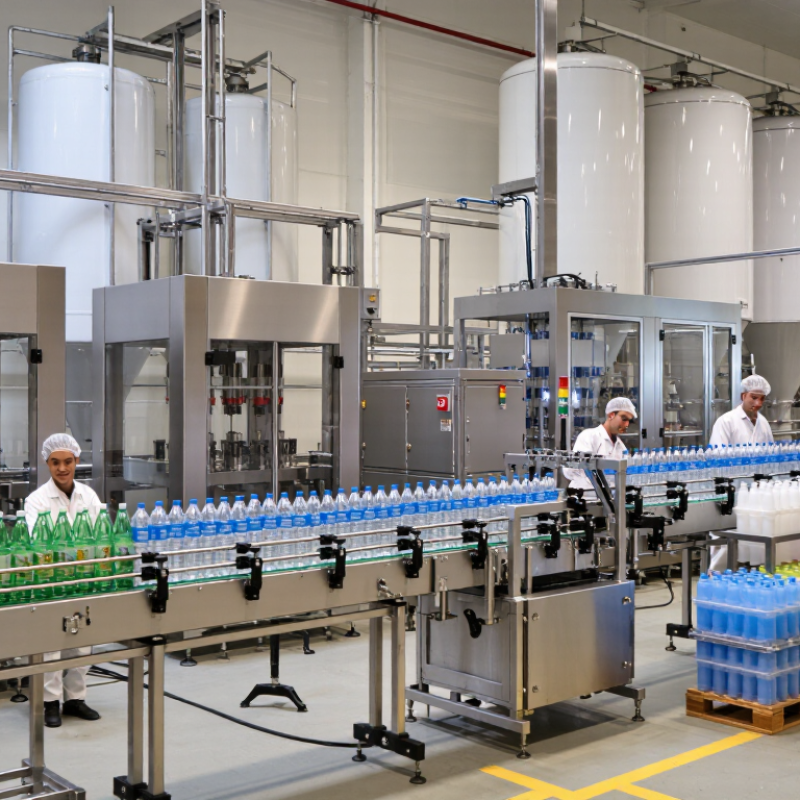
A plastic bottle manufacturer converts polymer materials into containers for water, beverages, cosmetics, medicines, and household products. The work involves more than melting plastic. It includes resin selection, mold design, preform production, blow molding, quality testing, labeling, and delivery. Some factories run high-speed lines that shape thousands of bottles each hour. Others produce smaller batches with custom colors, closures, and recycled content.

The industry’s scale is substantial. The OECD Global Plastics Outlook reports that global plastic waste reached 353 million tonnes in 2019, while only 9% was ultimately recycled. The United Nations Environment Programme estimates that packaging represents about 36% of global plastic production. These figures make material efficiency and recovery central manufacturing concerns. They also reveal an uncomfortable gap. A recyclable bottle does not guarantee actual recycling.

Plastic Bottle Manufacturers therefore manage performance, cost, safety, and environmental impact at the same time. They measure wall thickness, drop resistance, seal integrity, and compatibility with filling equipment. Food-contact applications require strict process controls and documented material traceability. The Ellen MacArthur Foundation’s New Plastics Economy work also stresses the need to eliminate unnecessary packaging and improve circular systems.

Erin Simon, WWF’s Head of Plastic Waste and Business, has said, “We cannot recycle our way out of the plastic pollution crisis.” That warning matters. A responsible manufacturer should not rely on recycling claims alone. It should reduce material use, increase recycled content where suitable, and design bottles for practical collection systems. The definition sounds simple. The responsibility is not.
What Is a Plastic Bottle Manufacturer?

Definition and Role of a Plastic Bottle Manufacturer

What Is a Plastic Bottle Manufacturer?

Definition and Role of a Plastic Bottle Manufacturer

A plastic bottle manufacturer designs, produces, and checks plastic containers for specific products. The work involves more than melting plastic and forming a bottle. It includes material selection, mold development, production control, and delivery planning.

Common materials include PET, HDPE, and polypropylene. Each material behaves differently during processing. PET often suits clear bottles, while HDPE provides useful stiffness and impact resistance. Manufacturing may use extrusion blow molding or injection stretch blow molding. The selected method affects shape, weight, clarity, and production speed.

Mold accuracy matters greatly. A small neck error can cause closure problems. Operators inspect wall thickness, bottle weight, dimensions, color, and leakage. They may also test drop resistance and top-load strength. These checks help confirm that bottles can survive filling, transport, and storage. Reliable manufacturers keep production records and provide material or quality documents when required.

The role also includes technical cooperation. A manufacturer reviews the product formula, filling temperature, closure type, and expected shelf conditions. This information guides the bottle design. A good bottle should feel practical in the hand, not merely attractive on a drawing.

Small details matter.

In real production, results are not always perfect. A lightweight bottle may reduce material use but lose stiffness. A thicker design may improve strength but increase cost and waste. Even experienced teams must test samples, examine failures, and adjust molds or process settings before stable production.

Materials and Technologies Used in Bottle Production

What Is a Plastic Bottle Manufacturer?

Materials and Technologies Used in Bottle Production

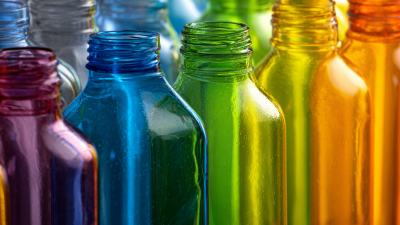
A plastic bottle manufacturer converts polymer materials into tested containers for water, cosmetics, household liquids, and other permitted products. The work involves material selection, mold design, forming, trimming, inspection, and controlled packaging. Polyethylene terephthalate, or PET, is common because it is clear, light, and impact-resistant. High-density polyethylene, or HDPE, offers stronger opacity and chemical resistance. Polypropylene is useful when heat tolerance and stiffness matter.

Production technology depends on the material and bottle shape. PET bottles often begin as injection-molded preforms. These preforms are reheated and stretched in two directions during stretch blow molding. The process improves strength while reducing material use. HDPE and PP containers commonly use extrusion blow molding. A heated tube, called a parison, enters a mold and takes its final shape under air pressure. Modern lines monitor temperature, wall thickness, pressure, and cycle time.

Recycled PET can reduce demand for virgin resin, but quality must be managed carefully. Moisture, color variation, and contamination can weaken performance. Manufacturers dry resin, inspect incoming lots, and test bottles for leakage, top-load strength, drop resistance, and stress cracking. Lightweighting saves material, yet thinner walls may reduce transport stability. That trade-off matters. Experienced teams adjust molds, cooling, and process settings instead of chasing the lowest possible weight. Data helps, but operators still notice irregular surfaces and small changes that sensors may miss. It is not flawless.

The Step-by-Step Plastic Bottle Manufacturing Process

Plastic bottle manufacturing begins with material selection. Manufacturers often use PET or HDPE pellets, chosen for strength, clarity, and chemical resistance. The resin arrives as small, dry granules. Moisture must be removed before heating, or weak spots may form.

The process starts with injection molding. Heated resin is pushed into a mold, creating a bottle preform with a thick tube-like shape. Each preform is cooled and checked for weight, color, and surface defects. Next, the preform enters a stretch blow molding machine. Heat softens it again. A metal rod stretches the plastic vertically, while compressed air expands it against the bottle mold. The mold determines the final shape, neck size, and grip pattern. Timing matters. Too much heat can cause thin walls, while insufficient heat may create cloudy areas or uneven corners.

After molding, operators inspect bottles under bright lighting. Automated cameras can detect cracks, black particles, and misshapen openings, but human review still catches unusual defects. Samples may undergo leak testing, drop testing, pressure testing, and dimensional checks. Production data is recorded for traceability and process control. The process is precise, but not flawless. A small temperature change can affect hundreds of bottles. Some manufacturers reduce waste by reusing approved production scrap, although excessive recycled content can sometimes influence clarity or strength. Careful testing remains essential before bottles reach filling operations.

Types of Plastic Bottles and Their Common Applications

What Is a Plastic Bottle Manufacturer?

Types of Plastic Bottles and Their Common Applications

A plastic bottle manufacturer turns polymer resin into containers for food, beverages, personal care, and household products. The process usually includes extrusion, injection molding, blow molding, trimming, and quality inspection. Each stage affects wall thickness, strength, clarity, and sealing performance.

PET bottles are lightweight, clear, and resistant to impact. They commonly hold drinking water, juices, cooking oils, and other liquid foods. Their smooth surface also supports printed labels and simple visual inspection. HDPE bottles are tougher and more opaque. They often serve milk, shampoo, detergents, and cleaning liquids. The material handles daily handling well, although it may feel less premium than clear PET.

PP bottles tolerate higher temperatures and repeated use better than many common plastics. They suit personal-care products, laboratory supplies, and selected food containers. LDPE bottles are soft and flexible. A gentle squeeze can dispense lotion, sauces, or liquid soap with little effort. Small bottles may use narrow necks for controlled pouring. Wide-mouth designs work better for thick creams or powders.

Shape matters as much as material. A tall bottle saves shelf space, while a broad base improves stability. Manufacturers must match the resin, closure, filling method, and storage conditions. A bottle that works well for cold water may fail with hot filling.

That assumption can fail.

Practical testing remains essential, because stress cracks, leaking caps, and uneven walls are not always visible during design.

Quality Control, Safety, and Environmental Responsibilities

What Is a Plastic Bottle Manufacturer?

A plastic bottle manufacturer converts resin into containers for food, beverages, cosmetics, and household products. Its responsibility extends beyond producing attractive shapes. Quality control begins with approved materials, clean production areas, and calibrated equipment. Operators inspect bottle weight, wall thickness, neck dimensions, and cap fit. Small defects matter. A weak seam can leak during transport. The ISO 9001 quality framework supports documented processes, corrective actions, and traceable batch records. However, paperwork alone cannot guarantee reliable production. Skilled workers still need to examine samples under consistent lighting and pressure conditions.

Safety requires testing materials for intended contact and use. Manufacturers should control chemical migration, odors, sharp edges, and contamination risks. They also need supplier records for every resin and additive. The OECD Global Plastics Outlook reports that global plastic waste reached 353 million tonnes in 2019, while only 9% was recycled. This figure gives environmental duties practical urgency. Production teams can reduce scrap, reuse suitable process waste, and design lighter bottles without compromising strength. Lightweighting helps, but excessive reduction may create fragile packaging.

Environmental responsibility also involves energy, water, and end-of-life planning. The United Nations Environment Programme estimates that coordinated interventions could reduce plastic pollution by 80% by 2040. Manufacturers can measure energy per thousand bottles and publish meaningful waste data. Recycled content may lower resource demand, yet it requires careful cleaning and performance testing. Not every recycled feedstock suits every application. That limitation deserves honesty. Internal audits can miss problems, too. Independent testing and customer feedback provide stronger evidence than confident claims.