What Is the Packaging Industry and What Types Are There?
A product’s journey often begins with a package: a paper carton on a shelf, a glass jar in a kitchen, or a padded mailer at the door. The Packaging Industry designs and supplies these containers, along with the systems that fill, seal, label, move, and protect them. Its work affects product safety, storage, transport, accessibility, and brand recognition. Small details matter. A weak seal can spoil food; an oversized box can waste material and shipping space.
Packaging educator and author Walter Soroka offers a useful definition: “Packaging is the science, art and technology of enclosing or protecting products for distribution, storage, sale, and use.” That broad view helps explain why packaging is more than a choice of material. It includes primary packaging that touches or directly contains a product, secondary packaging that groups items, and tertiary packaging used for handling and transport. Common formats include rigid containers, flexible films and pouches, cartons, cans, and bottles. Each has different strengths, costs, and recovery options. The best choice depends on the product and its journey.
There is no perfect package. A lightweight format may reduce shipping weight but create recycling challenges in some local systems. This trade-off deserves a closer look. The sections ahead explain what the industry includes, how major packaging types differ, and what practical factors shape their use.
Definition and Scope of the Packaging Industry
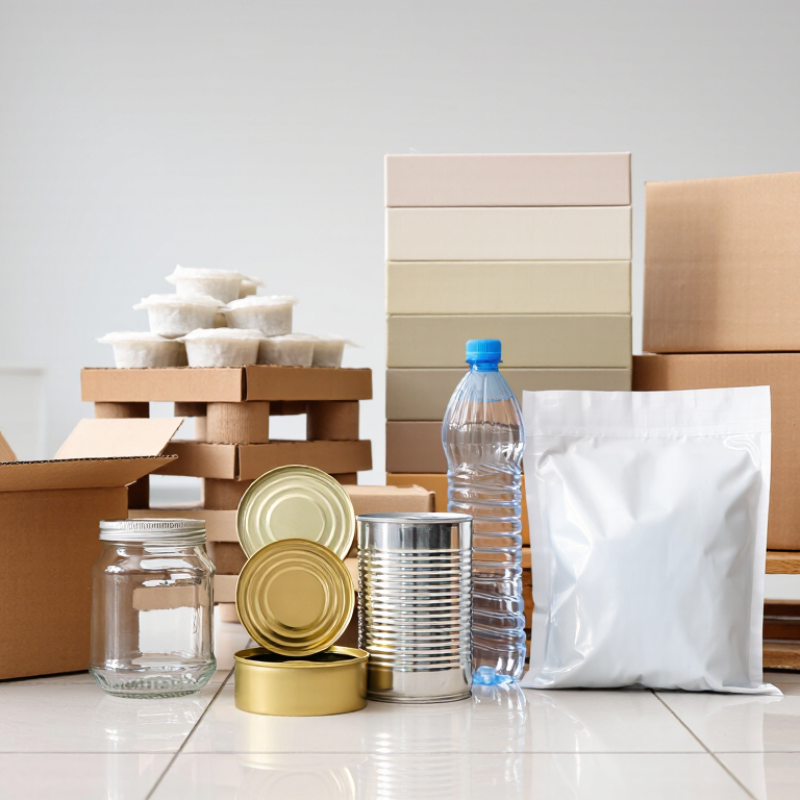
The packaging industry covers the people, materials, and processes that protect products and move them through supply chains. Its scope begins with design and material selection, then includes converting, printing, filling, sealing, storage, transport, and end-of-life handling. Packaging may be primary, such as a bottle touching a drink; secondary, such as a carton holding several bottles; or transport packaging, such as a pallet wrap. The boundary is not always neat. A package can protect goods while also adding weight, cost, and waste.
Material choices include paper and board, glass, metals, and plastics, often combined in one pack. The OECD’s Global Plastics Outlook reports that packaging made up 40% of plastic waste generated in 2019. That figure shows why the industry’s remit extends beyond appearance and shelf appeal. It also involves durability, material efficiency, sorting, and recovery. A lighter pack may reduce transport impacts, but it must still prevent damage and product loss. Trade-offs matter.
Tips: Check the full journey, not just the package itself. Ask how it is made, filled, shipped, opened, and handled after use. A clear material label helps, but local collection systems affect what can actually be recovered. Small details count.
Core Functions of Packaging Across the Supply Chain
Packaging supports product movement from the filling line to the customer’s hands. It contains goods, limits exposure to moisture, dust, and impact, and helps prevent leaks during handling. A sealed pouch, a molded tray, and a corrugated case solve different problems; the right choice depends on product fragility, weight, route, and storage conditions. Small details matter. A closure that loosens in transit can spoil a whole case. Packaging also gives workers practical cues, such as orientation arrows, batch codes, and clear opening points. These features help make inspection, picking, and stock rotation more consistent across warehouses and vehicles.
Across the supply chain, packaging links product protection with information flow. Labels can communicate contents, handling needs, and production identifiers, while scannable codes help connect physical items to inventory records. Secondary packs group units for shelf replenishment; outer cases and pallets support stacking and bulk movement. Packaging design affects labor, space use, damage rates, and customer access—not just appearance. A lighter pack may reduce shipping weight, but it can fail if it offers too little cushioning. That trade-off is easy to underestimate. In practice, teams should test packages under realistic stacking, vibration, temperature, and handling conditions, then review damage and returns. No single format fits every route. Some packaging is still harder to open or sort than it needs to be.
Major Packaging Types by Material
Packaging is commonly grouped by its main material: paper and board, glass, metal, plastics, and combinations of these. Each material handles weight, moisture, and impact differently. Corrugated board cushions heavier goods with its fluted middle layer, while folding cartons suit lighter items such as dry foods. Paper is easy to print on, but moisture can soften it quickly.
Glass offers a strong barrier against air and moisture, and its contents remain visible. It is heavy, though, and can break if dropped. Metal cans and trays resist crushing and block light, which helps protect sensitive contents. Their rigid shape can also take up more storage space. No perfect choice.
Plastics range from sturdy bottles to thin films used around fresh produce. They are light and adaptable, but different plastic types do not share the same recycling route. Flexible packs may use several bonded layers to improve barrier performance. Those layers can make material separation difficult. Recycling results depend on local collection systems and package design, not just the material label. A small design detail, such as a removable layer, may change how easily a package can be sorted.
Packaging Categories by Product and Use
Packaging can be classified by the product it protects and the job it performs. Primary packaging touches the product directly, such as a bottle holding juice or a pouch containing coffee. Secondary packaging groups individual items, like a carton around several small containers. Tertiary packaging supports storage and transport, often using sturdy boxes, stretch wrap, or pallets. These layers may overlap. The boundaries are not always neat.
Use also shapes packaging choices. Fresh food may need moisture control and clear product visibility. A glass item benefits from cushioning that limits movement during shipping. Cosmetics often use compact containers that are easy to open and dispense. For bulk materials, durable sacks or reusable bins can make handling simpler. The right option depends on weight, fragility, storage conditions, and how customers use the product. A package can protect well yet still be awkward to open; that trade-off deserves attention.
Tips: Test the package with the actual product. Check for leaks, crushing, and difficult opening. Keep it practical. A small trial can reveal problems that look minor on a drawing.
Packaging Categories by Material: U.S. Generation in 2018
This chart shows the amount of U.S. packaging waste generated by material. These materials are used across packaging formats such as boxes, bottles, cans, and shipping materials.
Paper and paperboard are widely used for boxes and cartons; plastics for flexible packaging and containers; wood for crates and pallets; and glass and metals for bottles, jars, and cans. Source: U.S. Environmental Protection Agency, 2018 packaging generation estimates.
Key Processes in Packaging Design and Production
Packaging design and production start with the product, not the artwork. A team records its weight, dimensions, fragility, shelf life, and shipping route. A glass jar needs cushioning and a stable base; a dry snack may need a moisture barrier. Small details matter. Designers choose a format and material by balancing protection, cost, machinability, and end-of-life handling. They sketch dielines, mark closure and label areas, and check that information stays readable after folding or sealing. A beautiful mock-up can still fail on a fast filling line.
Before full production, prototypes are tested. Samples may be dropped, compressed, exposed to humidity, or run through filling and sealing equipment. Results can prompt changes to board thickness, seal temperature, or dimensions. Not every test predicts real distribution perfectly. That is worth admitting. Once specifications are approved, production may include printing, cutting or molding, forming, filling, closing, and inspection. Operators monitor color, dimensions, seal strength, and defects at set intervals. Sensitive uses call for suitable materials and controlled handling, guided by product needs and applicable requirements. Good records help trace batches and investigate complaints. The process is iterative: a few millimeters can reduce waste, yet an overly tight fit may slow packing or damage contents.