China Top Packaging Industry Trends and Innovations Are They Changing the Game?
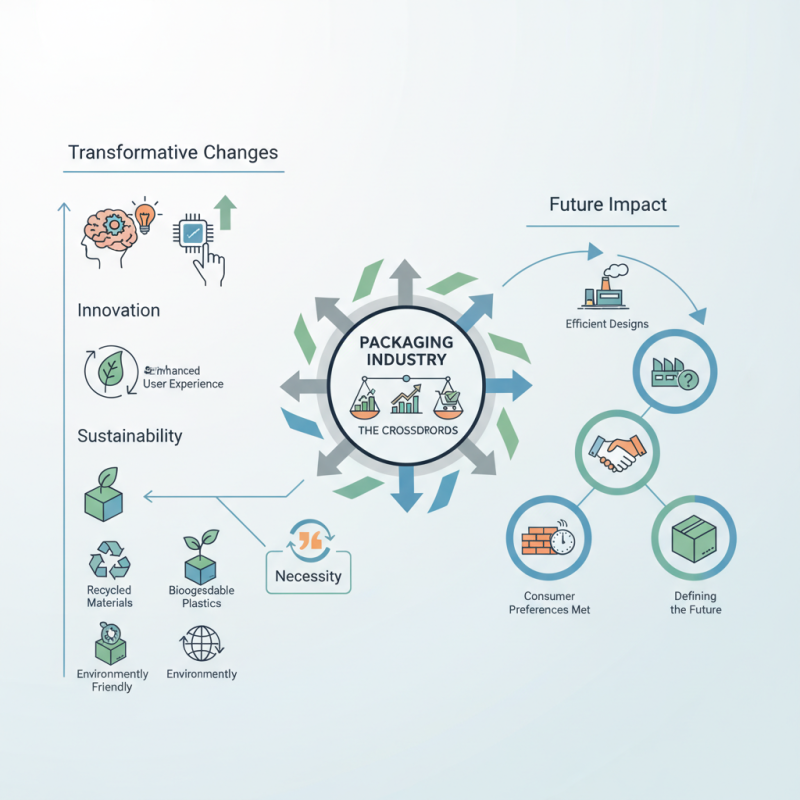
The Packaging Industry is undergoing transformative changes driven by innovation and sustainability. Industry expert Dr. Alice Zhang, a leading voice in packaging technology, recently stated, "Sustainability is no longer an option; it's a necessity in the Packaging Industry." This statement resonates as companies confront the dual demand for environmentally friendly materials and efficient designs.
As consumer preferences shift, the Packaging Industry is adapting to meet these new expectations. Smart packaging, including tracking and sensory features, is becoming common. Brands are using packaging not only to protect their products but to enhance user experience. Yet, amidst these exciting advancements, some businesses struggle to keep pace with rapid development.
Innovation in packaging materials presents both opportunities and challenges. Biodegradable plastics and recycled materials are increasingly popular, yet accessibility remains a barrier. Companies must strike a fine balance between innovation and practicality. In a constantly evolving market, the Packaging Industry is at a crossroads. How it navigates these trends will define its future impact.
Emerging Trends in China's Packaging Industry: An Overview
China's packaging industry is undergoing significant transformation. Recent studies indicate that the market size is projected to reach $634 billion by 2025, driven by consumer trends and technological advancements. Eco-friendly packaging is emerging as a crucial focus. With about 70% of consumers preferring sustainable options, companies are shifting towards biodegradable materials. This change reflects a growing awareness of environmental impact among consumers.
Innovation is evident in smart packaging solutions. These technologies enhance user experience and product freshness. For instance, interactive labels and RFID tags are becoming commonplace. Reports show that smart packaging could grow at a CAGR of over 15% through 2026. However, challenges remain, particularly in integrating technology and ensuring cost-effectiveness. Adoption varies significantly across sectors, indicating a need for strategic improvement.
The push for customization is also notable in the market. Consumers desire unique packaging that reflects their preferences. Data suggests that 40% of consumers are willing to pay more for personalized packaging. While this trend can boost brand loyalty, it presents scalability challenges for manufacturers. Balancing innovation with practicality is vital for long-term success in China’s evolving packaging landscape.
Sustainable Packaging Solutions Shaping the Future
In recent years, sustainable packaging solutions have emerged prominently in China’s packaging industry. This pivot reflects a global demand for environmentally friendly alternatives. Many businesses are now integrating biodegradable materials into their packaging. This shift helps reduce plastic waste and its impact on the environment.
Implementing sustainable practices can be daunting. Companies must invest time and resources. Choosing eco-friendly materials might initially seem costly. However, long-term savings can result from reduced waste management and increased consumer loyalty. Consumers today prefer brands that align with their values, especially those focusing on sustainability.
Tips: Explore local sourcing options for materials. This approach can lessen your carbon footprint. You might consider collaborating with sustainability experts. Engaging with professionals can guide your transition to greener practices. Don't underestimate the power of small changes; every little effort contributes to a larger impact.
Technological Innovations Revolutionizing Packaging Processes
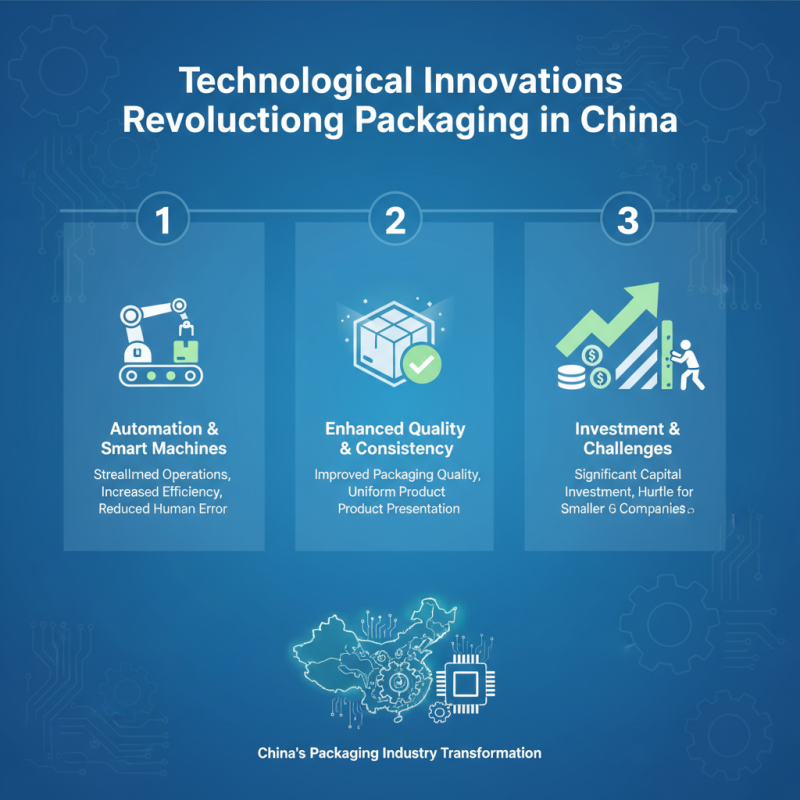
The packaging industry in China is experiencing a remarkable transformation driven by technological innovations. Automation is becoming a cornerstone of production processes. Smart machines streamline operations and increase efficiency. These advancements reduce human error and enhance consistency in packaging quality. However, companies must invest significantly to implement these technologies, posing a challenge for smaller players.
Furthermore, sustainable packaging has gained traction due to environmental concerns. Biodegradable materials and recyclable options are becoming mainstream. Consumers increasingly demand eco-friendly products, pushing companies to adapt. Yet, achieving true sustainability remains complex. Balancing cost-effectiveness with environmental responsibilities requires careful planning.
Incorporating augmented reality into packaging design adds an interactive dimension. Brands can engage consumers more deeply through this technology. This innovation can also aid in product education. However, integrating such advanced features can complicate the design process. Companies must consider whether the added value justifies the investment.
Consumer Preferences Driving Change in Packaging Design
Consumer preferences are significantly influencing packaging design in China. Recent studies reveal that nearly 70% of consumers are now prioritizing sustainability. This shift is prompting companies to explore eco-friendly materials. Biodegradable options like plant-based plastics are becoming increasingly popular. Firms that adopt these materials often gain competitive advantages.
In addition, convenience remains a critical factor. Research shows 64% of consumers prefer easy-to-open packaging. This demand has led to innovations like resealable pouches and single-use containers. Brands are investing heavily in user-friendly designs. However, balancing functionality and sustainability is a challenge. Some companies struggle to meet both consumer needs and environmental goals.
Another trend is the rise of personalization. Approximately 55% of consumers appreciate customized packaging. This trend encourages brands to innovate further. Yet, there is a fine line between personalization and excessive waste. Companies must carefully consider their strategies. Each decision impacts both brand loyalty and environmental sustainability. Understanding these dynamics is essential in today's competitive landscape.
| Trend / Innovation |
Description |
Consumer Preference Impact |
| Sustainable Materials |
Increase in the use of biodegradable and recyclable materials in packaging. |
Growing demand for eco-friendly options; consumers prefer brands with sustainable practices. |
| Smart Packaging |
Integration of technology such as QR codes and NFC for enhanced user engagement. |
Tech-savvy consumers appreciate interactive packaging that provides additional information. |
| Minimalistic Design |
Simplified packaging that focuses on essential information and aesthetics. |
Consumers favor simple designs that reflect transparency and clarity. |
| Personalized Packaging |
Creation of custom packaging tailored to individual consumer preferences. |
Enhanced consumer connection; buyers engage more with brands that offer personalization. |
| Convenience Features |
Innovations such as resealable packages and easy-open designs for consumer convenience. |
Consumers are more likely to purchase products that offer convenient packaging solutions. |
| Color Psychology |
Use of colors to evoke specific emotions and influence buying decisions. |
Strategically chosen colors can enhance product appeal based on consumer psychology. |
The Role of E-commerce in Transforming Packaging Practices
E-commerce is revolutionizing packaging practices across industries. As online shopping surges, brands are adapting to meet consumer expectations. Packaging must now be functional, sustainable, and appealing. Customers demand quick delivery without sacrificing quality. This shift is prompting innovative designs that enhance the unboxing experience.
Sustainable materials are gaining traction. Many companies are opting for biodegradable options to reduce plastic waste. However, challenges remain in finding durable alternatives that protect products during transit. Some firms struggle with balancing cost and sustainability. The demand for eco-friendly packaging often conflicts with budget constraints. Such dilemmas push the industry to innovate continuously.
Personalization is another trend shaping the landscape. Customized packaging can create memorable experiences. Brands are experimenting with unique designs and tailored messages. Yet, achieving this requires advanced technology and data insights. Not all businesses have the resources to implement these changes. The evolving e-commerce landscape demands that brands stay adaptable, even when faced with obstacles.
China Packaging Industry Trends and Innovations
This chart illustrates the key trends and innovations in China's packaging industry, focusing on the impact of e-commerce on packaging practices. The data highlights the shift towards sustainable materials, digital printing technology, and smart packaging solutions.