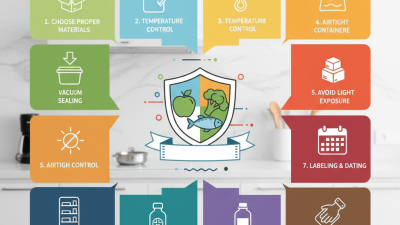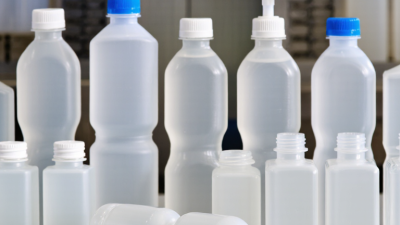
Choosing the right Food Packaging Design in 2026 requires more than attractive colors and memorable logos. Packaging must protect the product, communicate trust, and perform reliably across real shopping conditions. A package should survive transport, refrigeration, stacking, and repeated handling without losing its message.
My experience with packaging projects shows that small details often shape customer decisions. A clear window can reveal freshness. A textured label can improve grip. Large, readable nutrition information helps busy shoppers compare products quickly. However, these features must support food safety, material performance, and practical manufacturing requirements. Designers should verify claims through supplier documentation, testing, and current industry guidance.
There is no perfect package.
A compostable-looking pouch may appear responsible but create confusion if local facilities cannot process it. A premium glass jar may feel trustworthy but increase shipping weight and breakage risks. Strong design decisions balance shelf appeal, production cost, accessibility, durability, and environmental impact. They also consider cultural preferences and the expectations of different customer groups.
This guide explains how to evaluate packaging structure, materials, graphics, usability, and sustainability claims. It focuses on evidence rather than fashionable assumptions. Some choices will remain difficult. A recyclable material may require more energy during production, while a lightweight package may raise concerns about durability. Honest evaluation matters more than exaggerated promises. By combining practical testing, expert review, and customer feedback, brands can develop packaging that looks convincing and performs responsibly throughout its product journey.
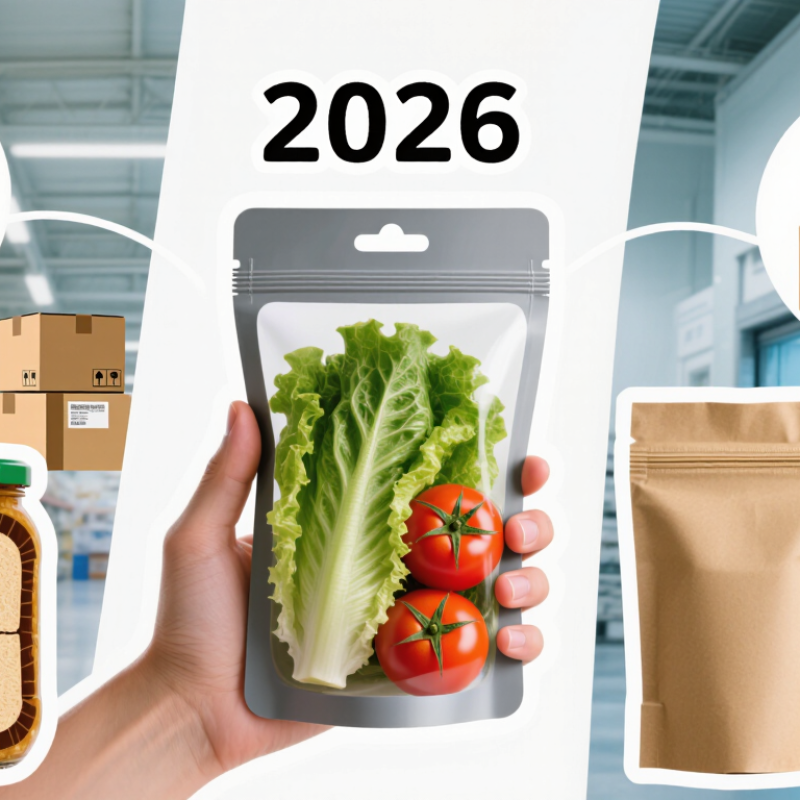
A strong 2026 food packaging design starts with a precise brief, not a decorative mood board. Define the product first: moisture-sensitive snacks need barrier performance, while chilled foods need seal integrity and temperature resistance. Then describe users, serving habits, accessibility needs, and likely disposal behavior. Packaging is handled at home, in delivery vehicles, and on crowded shelves.
Channel requirements can change the structure. E-commerce packaging needs impact protection and clear opening instructions. Convenience retail needs fast recognition within seconds. Foodservice formats may require stacking, portion control, and leak resistance. The 2024 PMMI report on sustainable packaging highlights growing investment in recyclable structures and material reduction. However, lighter packaging is not automatically better. A failed seal can create more waste than a slightly heavier pack.
Build a compliance checklist for every target market. Review food-contact rules, recycling claims, extended producer responsibility fees, labeling language, and restrictions on certain additives. The EU Packaging and Packaging Waste Regulation is pushing tighter requirements for recyclability, reuse, and packaging minimization. The Ellen MacArthur Foundation’s Global Commitment reports also show that packaging recovery remains uneven worldwide. That gap matters. Do not promise “widely recyclable” without checking local systems. Test migration, compression, shelf life, and disposal instructions with real users. Some briefs still ignore small details, such as wet hands or unclear opening tabs. That is where good concepts often fail.
Packaging choice now demands more than attractive graphics. The OECD reports that packaging creates 36% of global plastic waste. That figure makes material selection a serious design decision, not a minor detail. A practical review should measure packaging weight, recycled content, recyclability, and production energy. It should also examine transport distance and food protection. A thin package that causes spoilage may create greater environmental harm.
I have seen lightweight designs fail during delivery. Crushed corners led to wasted food and replacement shipments. That experience changed how I assess packaging. Protection, material efficiency, and clear disposal guidance must work together. Request supplier data, but question unclear claims. Independent lifecycle assessments offer stronger evidence than attractive sustainability language. Compostable materials also need suitable collection systems. Without them, the intended benefit may disappear. This part remains imperfect.
Tips: Compare two or three material options using the same measurements. Test packages with realistic stacking, moisture, and temperature conditions. Keep labels simple. Tell consumers whether to empty, rinse, separate, or reuse the package. Avoid choosing a material only because it feels greener. Cost pressure can distort decisions, too. Review the design again after pilot testing, because real handling often reveals problems that studio samples hide.
A strong package must earn attention before it explains the product. In shelf tests, place several designs beside real competitors and measure recognition within three seconds. Track eye movement, first-glance messaging, and purchase confidence. A beautiful package can still fail when shoppers cannot find the flavor, size, or dietary information.
Test opening the seal with wet hands, reading small text, and resealing unfinished food. According to the World Health Organization, about 1.3 billion people experience significant disability worldwide. Larger type, stronger contrast, clear icons, and easy-grip shapes can widen access. They also reduce hesitation for older shoppers. McKinsey’s 2020 global packaging research reported that 60–70% of consumers may pay more for sustainable packaging. That interest does not excuse difficult opening or confusing disposal instructions.
Tips: Run five-second shelf tests with unfamiliar users. Ask what they noticed first. Then ask what they expected inside. Use real lighting, shelf heights, and hand conditions. Compare claims with actual performance. A recyclable-looking pack may still confuse people. I have seen teams overvalue visual polish and under-test tiny labels. That mistake is common. Accessibility checks should happen before final artwork, not after complaints.
Sustainability must be verified before it becomes a design claim. McKinsey’s consumer research reports that 60–70% of shoppers may pay more for products using sustainable packaging. That preference creates opportunity, but it is not automatic sales. People still inspect price, freshness, convenience, and disposal instructions.
Start with measurable evidence. The OECD’s Global Plastics Outlook found that only 9% of plastic waste was recycled globally in 2019. Therefore, a package should not be called “green” only because it uses less plastic. Check its material composition, recycled content, local collection access, and end-of-life process. A thin pouch may reduce material use. Yet it may be difficult to recycle.
Ask suppliers for test results, certification details, and lifecycle data. Compare packaging weight, transport efficiency, product protection, and food-waste risk. The latter matters. A package that fails early can create more environmental impact through discarded food. The UN Environment Programme has identified food waste as a major global sustainability challenge, so protection deserves equal attention.
Keep the message precise. “Recyclable where facilities exist” is more reliable than “100% eco-friendly.” Small labels help. Clear disposal instructions help more. Some design choices will remain imperfect, especially where recycling infrastructure is limited. That weakness should be disclosed, not hidden.
The winning design must balance cost, carbon, compliance, and test results. Packaging is not a decoration around food. It protects freshness, prevents waste, and controls distribution risks. The OECD Global Plastics Outlook reports that packaging creates about 40% of global plastic waste. That figure makes material selection impossible to ignore. Yet a lighter pack is not automatically better. It may tear, leak, or shorten shelf life.
Start with a clear cost model. Include material prices, filling speed, transport space, disposal fees, and rejected units. Then measure carbon using a consistent life-cycle assessment method. UNEP’s 2023 report states that global plastic pollution could fall by 80% by 2040 through existing solutions. Better design matters. So does realistic infrastructure.
A recyclable structure may still fail when local collection systems cannot process it.
Test before approval. Run seal-strength, compression, drop, vibration, migration, and shelf-life tests. Record conditions, sample sizes, and failure points. Compare results with food-contact rules and applicable packaging requirements. The EU Packaging and Packaging Waste Regulation entered into force in 2025, increasing pressure for measurable packaging performance.
Do not trust attractive recycling claims without evidence. A low-carbon prototype can fail during transport. That is an uncomfortable lesson. Review the data again, especially when the cheapest option appears to win. Then choose the design that performs reliably, not merely the one that looks sustainable.
CONTACT US
|