Top 10 Bottle Manufacturers to Watch in 2025 for Sustainable Packaging Solutions
As the global emphasis on sustainability grows, the role of bottle manufacturers in creating eco-friendly packaging solutions has become increasingly vital. According to a recent report by Smithers, the sustainable packaging market is expected to reach $500 billion by 2028, reflecting a significant shift in consumer preferences towards environmentally responsible products. Recognizing this trend, leading bottle manufacturers are innovating and implementing strategies to reduce their environmental footprint, focusing on recyclable materials and biodegradable alternatives.
Industry expert Dr. Jane Thompson, a recognized authority in sustainable packaging, noted, "The future of packaging lies in our ability to adapt and innovate towards more sustainable practices. Bottle manufacturers must lead the charge in developing solutions that not only meet consumer demand but also protect our planet." This perspective underscores the urgent need for bottle manufacturers to prioritize sustainability in their production processes, ensuring they remain competitive and relevant in a rapidly evolving marketplace.
As we look towards 2025, it is imperative to highlight the top bottle manufacturers who are poised to make significant strides in sustainable packaging solutions. These companies are not only reshaping their product offerings but also influencing industry standards and consumer habits, thereby playing a crucial role in the transition towards a more sustainable future.
Innovative Materials: The Next Generation of Sustainable Bottling Solutions
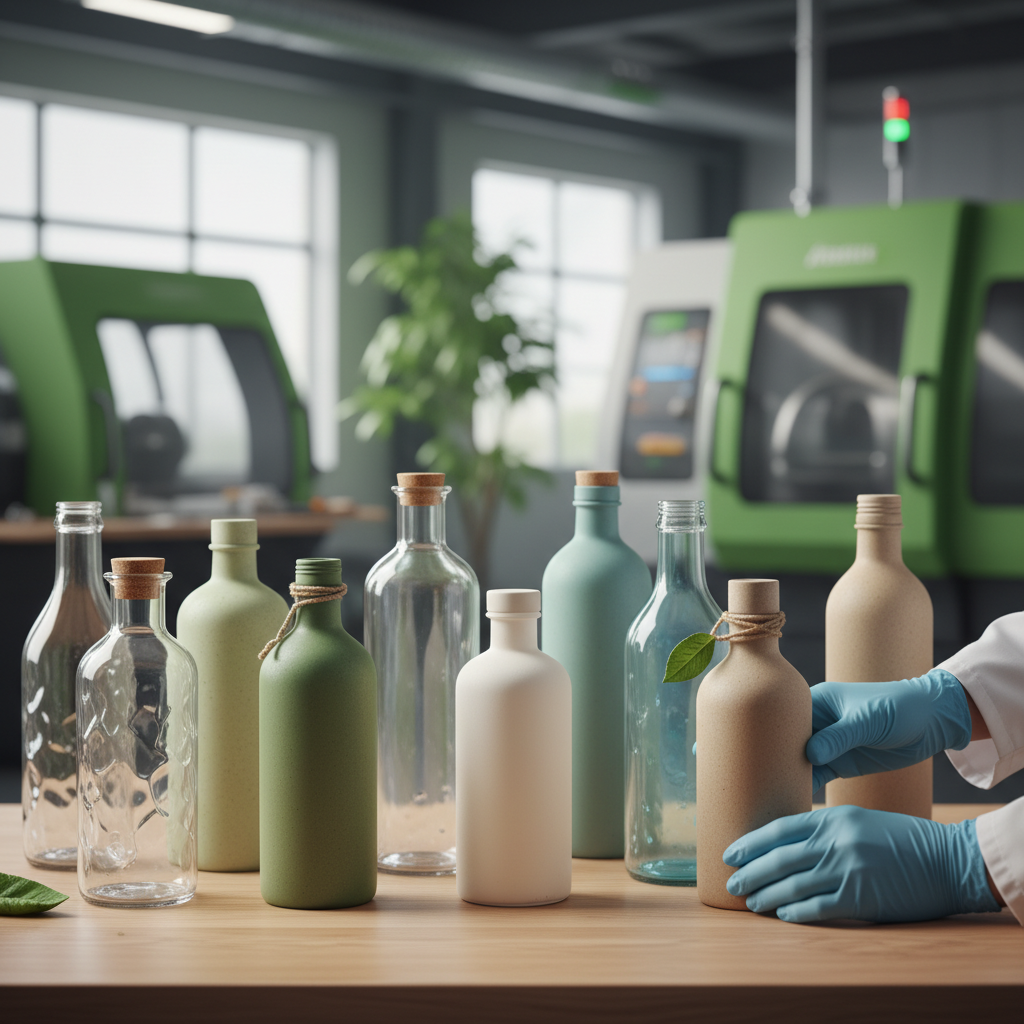
Innovative materials are set to redefine sustainable packaging solutions, particularly in the bottling industry. With companies increasingly adopting advanced materials, the commercial viability of recycled polyethylene (rPE) has gained attention. Recent collaborations in the industry are focusing on the development of sustainable flexible packaging, showing a commitment to reducing environmental impact while enhancing product performance. According to market estimates, the global sustainable packaging market is projected to reach USD 449.92 billion by 2030, indicating significant growth potential driven by innovations in material science.
In this evolving landscape, companies are investing in research to develop next-generation materials from various sources, including biomaterials and nanomaterials. For instance, notable advancements have been made in bio-based products, which offer practical and reusable designs that minimize dependency on fossil fuels. The beverage industry is particularly poised for transformation, as showcased during major trade fairs that highlight cutting-edge packaging solutions aimed at achieving enhanced circularity. As these innovative materials gain traction, leading manufacturers will likely emerge as game-changers, shaping a more sustainable future for packaging solutions in 2025 and beyond.
Top 10 Bottle Manufacturers to Watch in 2025 for Sustainable Packaging Solutions
This chart presents the estimated adoption rates of innovative materials in sustainable bottling solutions by leading manufacturers through 2025. The focus is on bioplastics, recycled materials, and other sustainable alternatives that are gaining traction in the market.
Emerging Technologies: How Bottle Manufacturers are Adopting Smart Production Techniques
As the packaging industry evolves toward greater sustainability, the integration of advanced technologies is crucial. Key technologies driving the Packaging 4.0 revolution include AI, IoT, blockchain, and robotics. By 2025, these innovations are expected to significantly enhance the efficiency and environmental impact of bottle manufacturing. For instance, AI algorithms can optimize production processes, minimizing waste while maximizing output. The global market for smart water bottles alone is projected to expand significantly, reaching USD 200.9 billion by 2035, as consumer demand for sustainable packaging grows.
Implementing IoT devices in manufacturing lines allows for real-time monitoring and data collection, enabling manufacturers to streamline operations and reduce energy consumption. Blockchain technology can enhance traceability in product sourcing, fostering transparency and accountability in the supply chain. By adapting these smart production techniques, bottle manufacturers are not only meeting consumer expectations for eco-friendly products but also setting the standard for future manufacturing practices.
Tips for manufacturers looking to adopt these technologies include investing in staff training to facilitate the transition, collaborating with tech firms for seamless integration, and continuously monitoring market trends to stay ahead of the competition. Embracing these innovations will pave the way for a greener, more efficient manufacturing landscape.
Top 10 Bottle Manufacturers to Watch in 2025 for Sustainable Packaging Solutions
| Company Type |
Sustainability Rating |
Smart Technology Adoption |
Annual Production Volume (Million Units) |
Innovative Material Usage |
| Recycled Plastic Bottles |
4.8/5 |
High |
120 |
Bio-based Plastics |
| Glass Bottles |
4.6/5 |
Medium |
80 |
Recycled Glass |
| Aluminum Bottles |
4.7/5 |
High |
100 |
Lightweight Materials |
| Plant-based Bottles |
4.9/5 |
High |
60 |
Fully Compostable |
| Carbon-neutral Bottles |
4.5/5 |
Medium |
70 |
Eco-friendly Coatings |
| Smart Bottles |
4.8/5 |
Very High |
50 |
Integrated Sensors |
| Modified Atmosphere Bottles |
4.6/5 |
Medium |
40 |
Barrier Materials |
| Reusable Bottles |
4.7/5 |
High |
30 |
Durable Materials |
| Hybrid Bottles |
4.4/5 |
Medium |
20 |
Multi-material Design |
Circular Economy Practices: Brands Leading the Charge in Waste Reduction

In the quest for sustainable packaging solutions, several bottle manufacturers are leading the charge in implementing circular economy practices. These brands are not only innovating in materials but also rethinking the entire lifecycle of their products. By focusing on the principles of recycling, reusing, and reducing waste, they are setting a new standard in the industry. For instance, companies are increasingly utilizing biodegradable materials and designing bottles that can be returned and reused, thus minimizing their environmental footprint.
Moreover, these manufacturers are engaging consumers in their sustainability efforts, creating programs that encourage recycling and responsible disposal of packaging. This engagement is pivotal, as it fosters a community mindset towards waste reduction. Through partnerships with recycling organizations and investments in technology, these brands are enhancing their circular economy practices, ensuring that bottles are not merely single-use items, but part of a closed-loop system. As we approach 2025, the emphasis on sustainability will only continue to grow, making it essential for brands to adopt innovative strategies that contribute to a healthier planet.
Regulatory Trends: Understanding Compliance for Eco-Friendly Packaging in 2025
As we move toward 2025, the landscape of sustainable packaging is undergoing significant transformation, driven by stringent regulatory trends focused on eco-friendliness.
Governments worldwide are implementing comprehensive regulations that aim to reduce plastic waste and promote the use of recyclable materials.
Companies in the bottle manufacturing sector must stay abreast of these changes to ensure compliance and remain competitive.
Understanding the nuances of these regulations, such as the European Union's Single-Use Plastics Directive and various state-level bans on certain plastics, will be essential for manufacturers aiming to align their products with the growing demand for sustainability.
Moreover, the emphasis on transparency and reporting is shaping how companies approach their packaging solutions.
Regulatory agencies are increasingly requiring manufacturers to disclose their material sourcing, production practices, and end-of-life disposal methods.
This shift encourages bottle manufacturers to innovate and adopt sustainable practices that not only meet regulatory requirements but also appeal to environmentally conscious consumers.
By investing in eco-friendly materials and practices now, companies can position themselves as leaders in the sustainable packaging movement, meeting not just current compliance demands but also anticipating future regulations aimed at preserving the planet.
Consumer Demand: Shaping the Future of Bottle Design and Sustainability Efforts
As consumer awareness of environmental issues continues to rise, the demand for sustainable packaging solutions is reshaping the bottle manufacturing industry. Today’s consumers are increasingly prioritizing eco-friendly products, prompting manufacturers to innovate in design and materials. This shift not only drives companies to adopt sustainable practices but also influences their overall branding strategies. Sustainable packaging has transitioned from a niche market to a mainstream expectation, with many consumers actively seeking out brands that demonstrate a commitment to environmental stewardship.
Brands are responding to this evolving consumer landscape by investing in research and development of biodegradable materials and reusable packaging options. The pursuit of sustainability goes beyond merely using recycled materials; it encompasses the entire lifecycle of the product—from design and production to disposal. Companies that successfully align their bottle designs with consumer expectations for sustainability not only enhance their market appeal but also contribute to a circular economy.
This trend signals a significant shift in the industry, as manufacturers aim to meet the dual goals of profitability and environmental responsibility in the years leading up to 2025.