Choosing among Pet Bottle Manufacturers is not simply a matter of comparing unit prices. A clear bottle on a purchasing spreadsheet must also survive filling, transport, storage, and recycling. Buyers should examine resin specifications, neck finishes, wall thickness, production capacity, quality controls, and documented testing. Small differences matter. A cap that fits poorly or a bottle that buckles on a warm loading dock can disrupt an entire shipment.
Industry data makes supplier selection more consequential. The OECD’s Global Plastics Outlook estimated that just 9% of plastic waste worldwide was recycled in 2019. NAPCOR’s 2023 report put the 2022 U.S. PET bottle recycling rate at 29.1%. These figures describe different scopes, but both point to a practical question: can a bottle work within real collection and recycling systems? Steve Alexander, president and CEO of the Association of Plastic Recyclers, has emphasized designing packaging for the systems that must sort and process it. That is a paraphrase of his industry position, not a verbatim quotation.
This guide compares manufacturers through buyer-focused criteria: product consistency, customization, technical support, production reliability, and sustainability evidence. It also considers the details often missed in a catalog, such as sample approval, lead times, and how a supplier handles defects. No supplier is perfect. Some claims deserve a closer look, especially when environmental language lacks supporting data. The strongest shortlist is built on verifiable specifications, responsive communication, and bottles tested against the buyer’s actual line conditions.
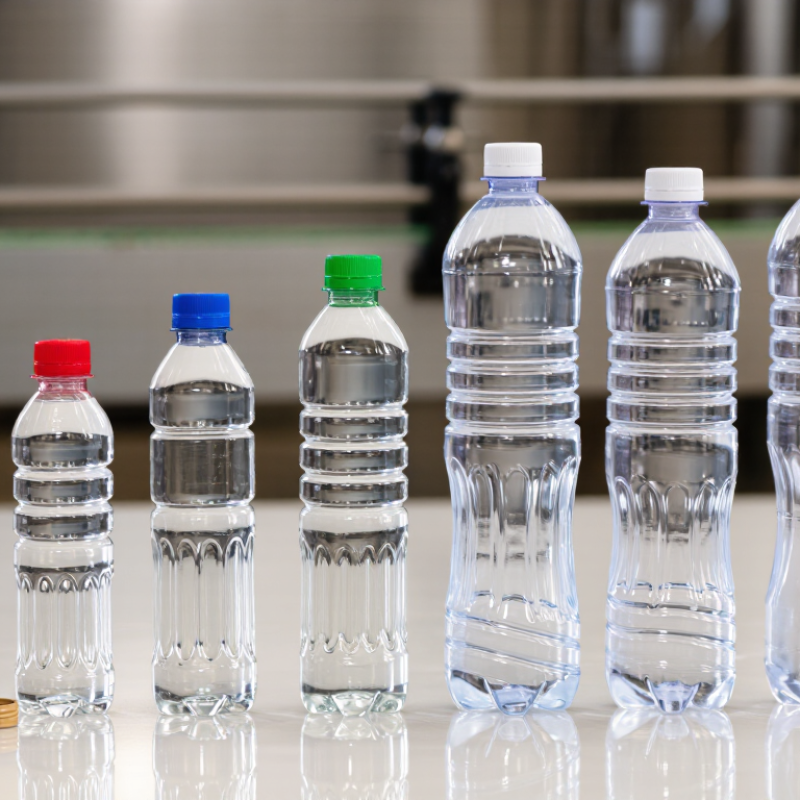
PET bottles are lightweight containers made from polyethylene terephthalate, a clear, durable thermoplastic. They are used for beverages, personal-care products, and household liquids. PET can be molded into different shapes while remaining relatively light to transport. It is not unbreakable, though. A dropped bottle may dent or crack, depending on its design and wall thickness.
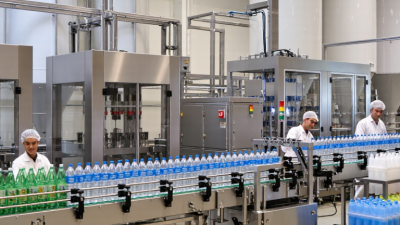
Manufacturing usually starts with PET resin, which is dried before molding. Moisture control matters because excess moisture can weaken the material during processing. The resin is injection-molded into a small tube-shaped preform with a finished neck. After cooling, each preform is reheated and placed in a blow-molding machine. A stretch rod lengthens it while compressed air expands it against a bottle-shaped mold. This forms the body and base. Checks may include neck dimensions, weight, wall thickness, clarity, and leak resistance. A clear surface alone proves little; uneven walls can be hard to spot.
Tips: Compare bottle weight and capacity, then inspect the base and neck finish. Ask how dimensions and leakage are checked for the intended use. Small production changes can affect fit and performance, so specifications deserve a second look.
Assessing PET bottle manufacturers for global supply starts with the bottle itself. Share a clear specification: capacity, weight, neck finish, color, and intended filling conditions. A 500 ml bottle may look standard, yet small differences in thread dimensions can cause cap leaks on a fast filling line. Ask for dimensional drawings and production samples. Check them with your own caps and filling equipment, not just by eye.
Review quality controls, not only certificates. Ask how often wall thickness, bottle weight, and leak resistance are checked, and request recent test records. For food or personal-care packaging, confirm that material documentation matches your product and destination markets. A factory visit or independent audit can help verify equipment and process controls. If travel is impractical, request dated production-floor photos and a live video walkthrough. Useful evidence, though not perfect.
Supply reliability needs equal attention. Compare actual monthly capacity with your forecast, then ask how peak-season orders are handled. Confirm lead times, carton or pallet configurations, export packing, and who reports delays. Test the packaging after a simulated shipment; scuffed bottles can become a costly surprise. Weigh freight alongside unit price. A lower quote may hide extra handling or weaker quality checks. No supplier is flawless, and I would revisit my assumptions after the first order: sample performance does not always predict a full production run.
Supplier assessment framework—not a ranked supplier list. Score each criterion from 0 to 5 using documented evidence, then calculate the weighted result.
| Assessment dimension | Weight | What to verify | Evidence and evaluation method |
|---|---|---|---|
| Regulatory and food-contact compliance | 20% | Confirm that the bottle, colorants, additives, and intended use meet the rules in the destination market. Food-contact requirements depend on jurisdiction, food type, and conditions of use. | Request current declarations of compliance and supporting migration or material documentation. Relevant references include EU Regulation (EU) No 10/2011 and, for applicable PET food-contact uses in the United States, 21 CFR 177.1630. Verify applicability with the responsible regulatory specialist. |
| Quality management and traceability | 20% | Assess documented production controls, batch identification, change management, nonconformance handling, and corrective actions. | Review the scope and validity of any ISO 9001 certificate, audit findings, sample batch records, inspection plans, and the supplier’s complaint and corrective-action records. A certificate alone does not establish product suitability. |
| Product performance and consistency | 15% | Set acceptance limits for bottle weight, dimensions, neck finish, leakage, appearance, and performance under the actual filling, capping, transport, and storage conditions. | Approve pre-production samples and written specifications. Agree on sampling and acceptance criteria before ordering. Where appropriate, use recognized test methods such as ASTM D2659 for column-crush properties or ASTM D5276 for drop testing; select methods and limits for the specific package and use case. |
| Manufacturing capacity and scalability | 15% | Confirm that available equipment, tooling, labor, and raw-material arrangements can support forecast demand and seasonal peaks without compromising agreed specifications. | Ask for capacity by relevant bottle format and production line, current utilization, planned maintenance schedule, and a documented ramp-up plan. Validate stated capacity against a trial order and production records; do not rely on a general facility-wide number. |
| Export readiness and delivery reliability | 10% | Evaluate export documentation, packaging for transit, agreed Incoterms, shipment visibility, lead-time commitments, and contingency arrangements. | Request shipment performance data for comparable routes and products, sample export documents, and a written order-to-delivery schedule. Compare quoted lead times with trial-order results and the buyer’s required delivery window. |
| Material sourcing and sustainability claims | 10% | Check resin sourcing, recycled-content claims where applicable, design-for-recycling considerations, and the evidence supporting environmental statements. | Request supplier declarations, chain-of-custody documentation where relevant, and the calculation method for any recycled-content percentage. Confirm that claims and materials meet destination-market rules and the buyer’s specifications; there is no single recycled-content threshold that applies to every market and product. |
| Technical support and customization | 5% | Assess ability to support bottle design, preform or neck-finish compatibility, tooling, line trials, and troubleshooting for the buyer’s filling equipment. | Review design drawings, dimensional inspection reports, tooling ownership and maintenance terms, sample turnaround commitments, and the availability of technical support during qualification and production. |
| Business continuity and risk management | 5% | Consider exposure to resin supply disruption, equipment outages, transport interruptions, and reliance on a single production site or critical input. | Request a documented continuity plan, recovery priorities, alternative-site or sourcing options where available, and notification procedures for material changes or supply interruptions. |
| Total weighted score | 100% | Weighted result = sum of (criterion score ÷ 5 × criterion weight). Record unresolved compliance or safety issues separately; a high total score should not override a critical failure. | |
Scoring guide: 0 = no evidence; 1 = major gaps; 2 = partial evidence or substantial risk; 3 = meets documented requirements; 4 = strong evidence and reliable performance; 5 = independently verified, consistently demonstrated performance.
Leading PET bottle manufacturers often stand out through consistent production, rather than one impressive product sample. For global buyers, useful strengths include dependable output, several bottle sizes, and the ability to adjust neck finishes or wall thickness. A line producing clear bottles for beverages may not suit products needing stronger light protection. Details matter.
Manufacturing scale can help suppliers meet large orders and keep delivery schedules predictable. Smaller or more flexible producers may handle custom shapes and shorter runs with less setup. Buyers should compare sample bottles, dimensional checks, closure fit, and documented quality procedures. Ask how defects are recorded and corrected. A glossy sample alone proves little.
Market strength also depends on material efficiency, technical support, and shipping readiness. Lightweight designs can reduce resin use, but thin walls may deform during filling or transport if poorly tested. Request trial-run results under realistic conditions, including stacking and temperature changes. Not every manufacturer excels in every area. I would be cautious about treating sustainability claims as proof without clear data; even careful comparisons can miss trade-offs between transport, durability, and material use.
Regulatory readiness is one factor global buyers can consider when evaluating PET bottle suppliers.
These are EU legal targets, not measured recycling rates: PET beverage bottles must contain at least 25% recycled plastic by 2025; plastic beverage bottles must contain at least 30% by 2030. Source: EU Directive 2019/904, Article 6.
PET bottle manufacturers should be compared by usable capacity, not headline output alone. A large monthly figure may assume one bottle design, uninterrupted shifts, and little changeover time. Ask how many production lines run your bottle size, and whether peak-season orders affect lead times. Capacity matters.
Quality depends on repeatable controls. Request recent samples, written specifications, and test records for wall thickness, leak resistance, and cap fit. A bottle can look sound on a desk yet deform during filling or transport. Ask how the factory handles rejected batches and changes to resin or process settings. These details reveal more than a polished sample.
Customization may include bottle shape, neck finish, color, grip, and label area. Confirm which changes require new tooling, how long samples take, and who approves the final dimensions. A custom mold can improve shelf appeal, but it also adds cost and may complicate future revisions. Small details matter. Buyers sometimes overlook decoration limits until artwork is already prepared; that is an easy mistake. Compare suppliers using the same drawings, order quantities, and acceptance criteria, so differences in quotes and delivery promises are easier to judge.
A PET bottle supplier should be judged by repeatable performance, not a low unit price alone. Request a specification sheet covering resin grade, bottle weight, neck finish, wall thickness, and dimensional tolerances. Then test samples on your own filling line. Check leaks, cap fit, paneling, and damage after transport simulation. Small defects matter. A bottle that looks fine on a desk may deform under a warm fill or tight pallet load. Ask how the supplier controls production changes and handles rejected batches. Request recent quality records, not only a polished sample.
Sustainability claims also need evidence. The OECD’s Global Plastics Outlook (2022) estimated that just 9% of global plastic waste was recycled in 2019. NAPCOR’s 2022 PET Recycling Report put the U.S. PET bottle recycling rate at 29.1%. These figures make recyclability and recycled-content documentation worth checking, but they do not prove a particular bottle is recyclable in every market. Ask for material declarations, recycled-content verification, and practical guidance on labels, sleeves, and color. Confirm that documents match the exact bottle grade and intended use. I still find this easy to overlook: a supplier may answer quickly, yet leave one critical detail unclear. Compare lead times, minimum orders, backup capacity, and change-notification practices in writing. Then run a small production trial before committing to larger volumes.
CONTACT US
|